Westgate Resorts and the New Shape of Family Getaways: Bigger Spaces, Bigger Experiences, Bigger Expectations
Westgate Resorts properties are designed to function almost like self-contained destinations. Many locations include pools, water parks, restaurants, fitness centers, and entertainment areas, reducing the need to leave the resort for daily activities.

Modern travel has changed. Families no longer just look for a place to sleep—they want space, convenience, and entertainment all in one setting. That shift is where Westgate Resorts has positioned itself, building large-scale vacation properties that feel closer to mini-residential communities than traditional hotels.
As a hospitality brand, Westgate Resorts focuses on fully equipped villas, on-site entertainment, and destination-style stays in popular tourist areas like Orlando, Las Vegas, and beyond. The idea is simple: make the resort itself part of the vacation, not just the base for it.
A resort model built around space, not standard hotel rooms
One of the defining features of Westgate Resorts is its focus on villa-style accommodations rather than compact hotel rooms. Guests typically stay in larger units with separate living areas, kitchens, and multiple bedrooms, which changes the entire rhythm of a trip.
This setup is particularly appealing for families and groups who want to stay together without feeling cramped. Instead of booking multiple hotel rooms, everyone shares a single space while still maintaining privacy and flexibility.
The advantages of this layout often include:
Full kitchens for in-room meals and budgeting flexibility
Separate living and sleeping areas for comfort
More space for longer stays or group travel
A “home-like” environment during vacations
This approach turns accommodation into part of the experience itself, especially for extended holidays.
Resort-style amenities that keep guests on-site longer
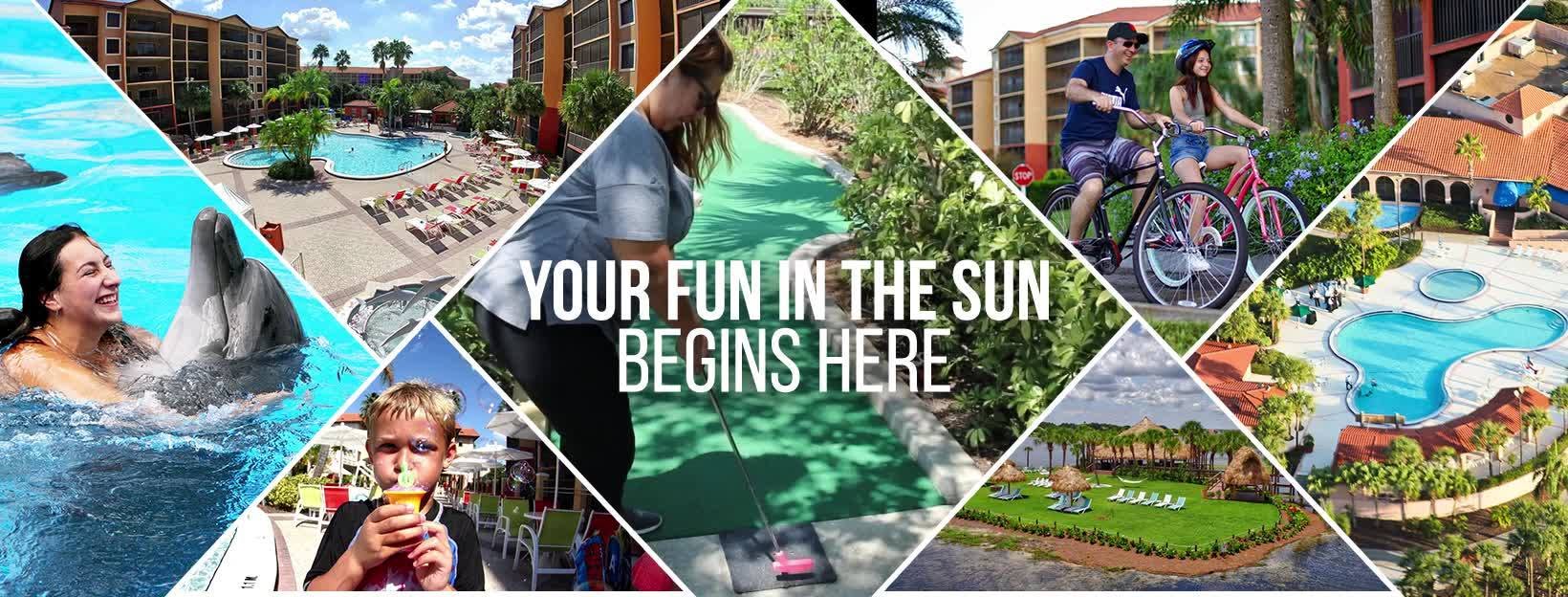
Westgate Resorts properties are designed to function almost like self-contained destinations. Many locations include pools, water parks, restaurants, fitness centers, and entertainment areas, reducing the need to leave the resort for daily activities.
For example, properties in Orlando often feature water parks, multiple pools, and themed recreation areas, creating an environment where families can spend entire days without stepping outside the complex.
Common on-site features include:
Multi-pool complexes and hot tubs
Water parks and themed splash zones
On-site dining and casual restaurants
Fitness centers and wellness facilities
Kids’ activities and arcade spaces
The intention is clear: make the resort a destination in itself rather than just a place to return to after sightseeing.
Strategic locations near major tourist hubs
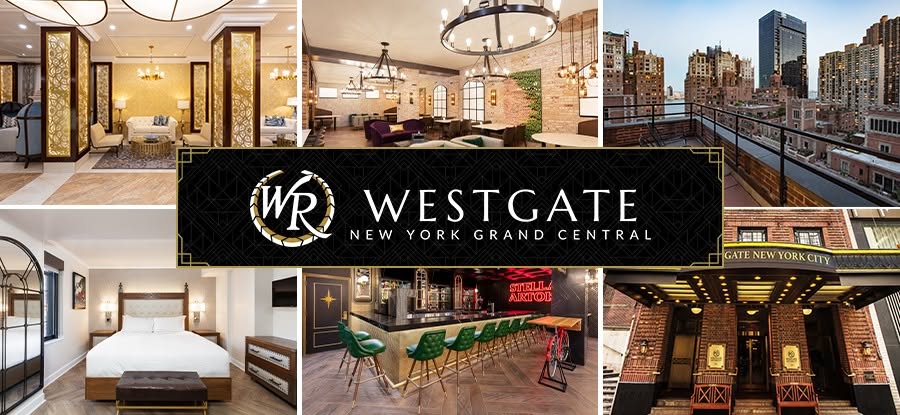
A major part of Westgate Resorts’ appeal is its location strategy. Many properties are situated near high-traffic tourist destinations such as Walt Disney World, Universal Orlando Resort, and Las Vegas entertainment districts.
This positioning allows guests to combine external attractions with internal resort amenities, creating a hybrid vacation experience.
For travelers, this often means:
Short travel times to major attractions
Easy access to theme parks and events
Flexible scheduling between resort and city exploration
Reduced transportation stress during vacations
The convenience factor is a key reason families and large groups choose resort-based stays over standard hotels.
The timeshare connection and how it shapes the experience
Westgate Resorts is closely associated with vacation ownership and timeshare models, which influence how the brand operates and markets its properties. In this model, guests can purchase ownership-based vacation weeks or points that provide access to resort stays over time.
This structure has both appeal and controversy. On one hand, it offers predictable vacation access and larger accommodations. On the other, it requires long-term financial commitment and ongoing maintenance fees, which may not suit all travelers.
Key characteristics of the model include:
Long-term vacation ownership structures
Pre-planned or flexible booking systems depending on plan type
Maintenance fees tied to property upkeep
Incentives for repeat stays within the network
This dual nature makes Westgate a brand that attracts both loyal users and cautious observers.
Guest experience: comfort, convenience, and mixed expectations
Guest experiences at Westgate Resorts often highlight the comfort and space of the accommodations, especially compared to standard hotel rooms. Families frequently appreciate the ability to cook, relax, and spread out during longer stays.
At the same time, experiences can vary depending on location, season, and booking type. Large resort environments naturally come with high guest volumes, which can affect service speed, amenities availability, and overall atmosphere during peak travel periods.
What guests commonly value:
Spacious rooms suitable for families
Convenient access to attractions
Variety of on-site entertainment options
Resort-style relaxation without leaving property
The overall experience tends to be shaped heavily by expectations going in, especially around how “hotel-like” versus “community-like” the environment feels.
Why large-scale resorts like Westgate still attract modern travelers
Despite the rise of short-term rentals and boutique hotels, large resort brands like Westgate Resorts continue to hold strong appeal. The reason is not just space—it is structure.
Travelers often prefer having everything in one place: accommodation, food, entertainment, and activities. For families especially, this reduces planning stress and allows vacations to feel more contained and predictable.
The model works particularly well for:
Multi-generational family trips
Theme park vacations
Long stays requiring kitchen access
Group travel where shared space matters
It is a form of travel that prioritizes convenience and immersion over minimalism.
Westgate Resorts and the evolution of “stay-based” vacations
Westgate Resorts reflects a broader shift in travel behavior: people want more than a room—they want a space that supports how they live while they are away from home.
By combining villa-style accommodations, large-scale amenities, and proximity to major attractions, the brand positions itself at the intersection of comfort and convenience-driven travel.
Whether it is seen as a vacation hub, a family basecamp, or a resort community, its core idea remains consistent: the stay itself should be part of the experience, not just a background detail.