The Espresso Machine That Finally Justifies Skipping the Cafe
A semi-automatic with the right grinder will pay for itself in six months. Here's the model worth buying — and the three you should skip.
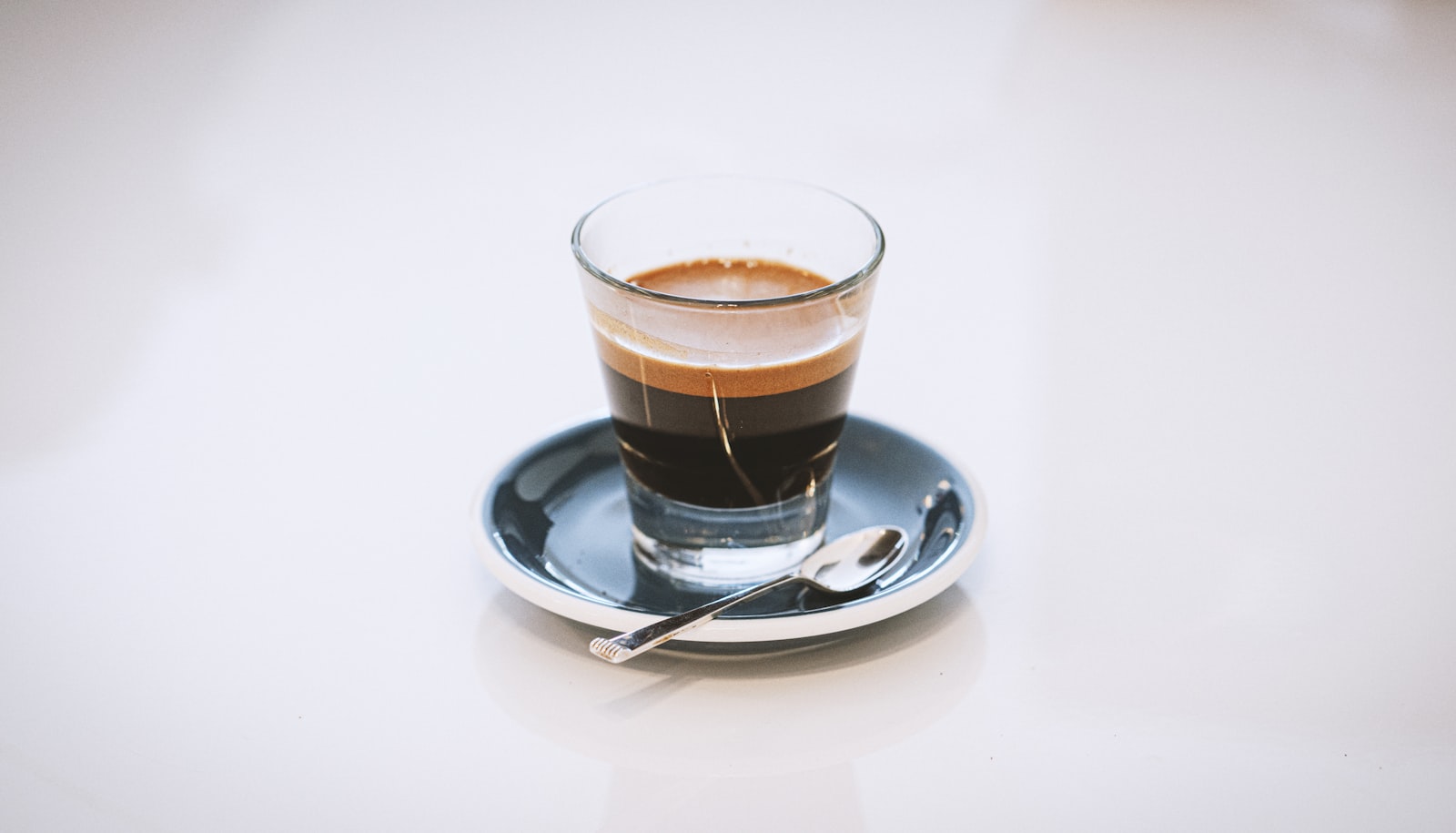
A daily $5 latte costs about $1,800 a year. A serious home espresso setup runs $1,200 to $1,800 all-in. The math is obvious — if the home setup actually works. Most do not. After working through a dozen machines and twice as many grinders, here is the setup that finally lets you skip the cafe without compromising the drink.
Why most home espresso disappoints
The $300 "espresso machines" sold at big-box stores are not espresso machines. They are pressurized portafilter brewers — a clever bit of engineering that lets you produce something resembling espresso from pre-ground coffee at insufficient pressure. The result is a thin, slightly bitter shot with fake crema. Walking into a cafe immediately reminds you what you're missing.
Real espresso requires three things: nine bars of stable pressure at the puck, water at 92 to 96 degrees Celsius, and freshly ground coffee at the right particle size and distribution. Skip any one of these and you get something that is technically coffee but not espresso.
The machine: Lelit Bianca V3
The Lelit Bianca is the machine I'd buy if I were starting over. At about $3,200 it's a stretch for many buyers, but the next reasonable step down is the Lelit Mara X at $1,650 — and that's the one most people should actually buy.
The Mara X uses an HX (heat exchanger) boiler, which means you can pull a shot and steam milk back-to-back without waiting. The PID temperature control keeps the brew temperature within a degree of your set point. The build quality is genuinely commercial — stainless steel exterior, full-size 58mm portafilter, and components that are widely available for repair.
What you give up versus the Bianca is the dual-boiler design and the flow profiling. For most home users, neither matters. The Mara X pulls excellent espresso out of the box, and the learning curve is manageable.
The grinder: this is where you spend the money
Here is the rule that took me too long to learn: spend more on the grinder than the machine. The grinder is the single largest variable in espresso quality. A $500 machine with a $1,000 grinder will out-brew a $1,500 machine with a $200 grinder, every time.
The Eureka Mignon Specialita is the right grinder for the Mara X. At $700 it has 55mm flat burrs, stepless adjustment, and a quiet motor. The dose-by-time controls are accurate enough for daily use, and the static reduction is the best in its class. After a year of daily use, mine has required only a single deep clean and burr inspection.
For a half-step up, the Eureka Atom 75 ($900) has larger burrs and produces a noticeably more uniform grind. The difference shows up in the cup as a more balanced shot with less channeling. Worth it for serious users.
The accessories that actually matter
A WDT (Weiss Distribution Technique) tool — a small device with thin needles for breaking up clumps in the portafilter — is non-negotiable. It eliminates 90% of channeling problems. The cheap $20 ones work as well as the $80 ones.
A precision basket from VST or IMS replaces the stock basket and produces dramatically more consistent shots. The holes are laser-cut to tighter tolerances and the inner taper improves puck formation. About $30 well spent.
A scale — any scale that reads to 0.1 grams — is essential. Eyeballing dose and yield will undermine every other investment. The Acaia Lunar is the cult favorite at $250, but a $30 jewelry scale works almost as well.
What to skip
Skip super-automatics from any brand at any price. The convenience is real, but the espresso quality is consistently mediocre. The grinders are tiny, the brew temperature is unstable, and the maintenance access is poor.
Skip the Breville Barista Express. It is a fine starter machine, but the built-in grinder is the weak link, and you will outgrow it within a year. Better to spend the money on the right setup once.
Skip the lever machines unless you specifically want a hobby. They produce excellent espresso in skilled hands but require a temperature-management routine that gets old fast.
The total investment and the real return
Mara X: $1,650. Eureka Mignon Specialita: $700. WDT tool: $20. Precision basket: $30. Scale: $30. Knock box and tamping mat: $50. Total: $2,480.
Two daily lattes saved at $5 each: $3,650 a year. The setup pays for itself before the first anniversary. The drinks are as good as the cafe down the street. And once you understand what you're doing, they're often better — because you control the freshness of the beans, the dose, and the milk.
For anyone who drinks two espresso drinks a day and lives more than five minutes from a great cafe, this is the rare home upgrade where the math, the daily quality of life, and the geek-out factor all line up.