Are Linen Sheets Actually Worth It? After Two Years, Yes.
They cost more than cotton, take longer to break in, and require a small amount of patience. Then they become the only sheets you'll want.
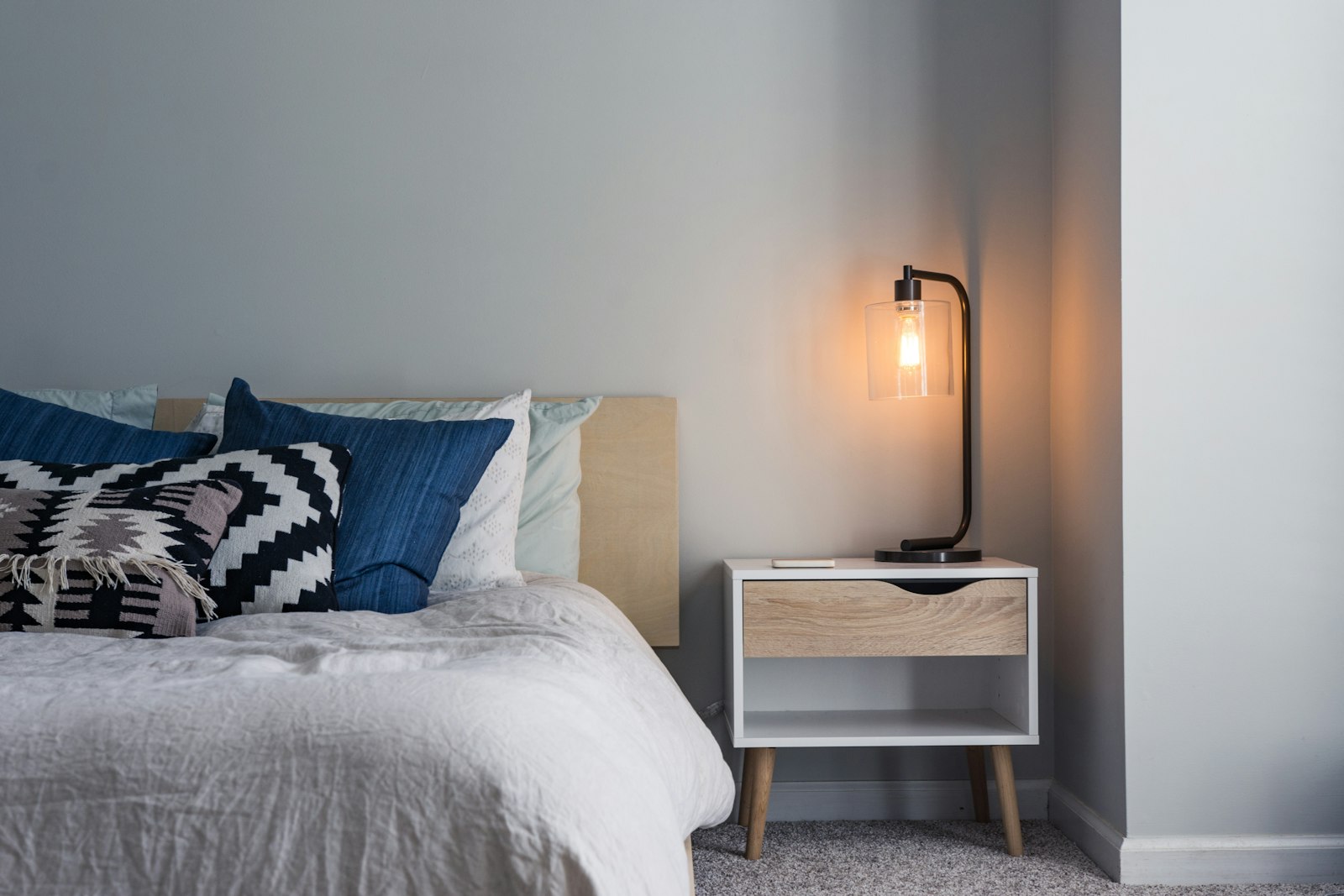
Two years ago I replaced my cotton sheets with a set of European-flax linen sheets from a midmarket brand. The first two weeks I was unsure. The first month I was a convert. Two years on, every cotton sheet in the house has been quietly replaced. Here is the honest case for spending two to three times as much on bedding.
What linen actually is
Linen comes from the flax plant — a fast-growing, low-water crop primarily cultivated in France, Belgium, and Italy. The fibers are longer, stronger, and more naturally hollow than cotton, which gives linen its three defining properties: breathability, durability, and a slightly textured drape that softens over time.
The "European flax" label is meaningful. It indicates fibers grown in Europe rather than processed there from imported flax. European production has stricter water-use and chemical-treatment standards. The difference shows up in the hand feel — European-flax sheets are slightly softer out of the bag than the alternatives.
Breathability is the real selling point
The case for linen rests almost entirely on temperature regulation. Cotton sheets, especially high-thread-count percale or sateen, create a microclimate that traps body heat. In summer, this is the reason you wake up sweating at 4 a.m. In winter, it's why your feet stay cold despite a thick duvet.
Linen does the opposite. The hollow fibers wick moisture and circulate air. In summer, linen sheets feel cool to the touch. In winter, they trap a thin warm layer next to your skin without suffocating. Couples who run at different temperatures often report a measurable improvement in shared-bed comfort.
The break-in period is real
This is where most reviews lie to you. Out of the package, linen sheets are crisp. Some people describe the first week as "scratchy," which is too strong — but they are noticeably more textured than cotton. The fibers need to be washed and slept on a few times before they fully soften.
Around wash five, something changes. The sheets develop a slightly rumpled, lived-in drape. The texture goes from "fabric" to "well-loved fabric." By wash twenty, they are softer than any cotton sheet you've owned, with a quality that the industry calls "buttery." It's accurate.
Wrinkles are a feature
If pressed, ironed sheets are part of your aesthetic, linen is wrong for you. Linen wrinkles. Heavily. The wrinkles are part of the look — that lived-in, casual elegance that designers chase in catalog shoots is the literal default state of a linen bed.
Pulling sheets straight when making the bed is enough for most people. The wrinkles are soft and fall naturally. Anyone who tries to iron linen sheets on a regular basis will burn out within a month and either give up or switch back to cotton.
Durability and the cost-per-night math
A good cotton sheet set lasts three to five years. A good linen sheet set lasts eight to fifteen. The fibers strengthen when wet (the opposite of cotton) and resist pilling almost completely. The fitted sheet's elastic will give out long before the linen does.
Run the math at a $300 set price over ten years. That is eight cents a night. Cotton sheets at $100 every four years run seven cents a night. The cost difference is essentially negligible — and you get a markedly better experience for it.
Where to buy
The midmarket brands — Quince, Cultiver, Brooklinen — offer European-flax linen at the $200 to $350 range for a queen set. The premium brands — Rough Linen, Linoto, Society Limonta — start at $500 and go up. The midmarket products are functionally identical to the premium ones; the difference is in stitching detail and the consistency of the dye.
For a first set, start with stonewashed linen in a neutral color. Stonewashing pre-softens the fabric, which shortens the break-in period considerably. White and oatmeal are the safest colors — both hide wrinkles best and pair with any duvet.
What I'd tell my past self
Buy two flat sheets and one fitted. Skip the pillowcases initially — most people prefer cotton or silk pillowcases for hair and skin. Wash with cool water, no fabric softener, and tumble dry low. Pull from the dryer slightly damp and let the residual moisture finish on the bed.
The first week, you will wonder if you wasted money. By month two, you will wonder why you waited so long.