Waterdrop Turning Hydration Into a Lifestyle: Everyone Suddenly Started Carrying Water Bottles Everywhere
Waterdrop feels so relevant right now. Instead of treating hydration as something dull or clinical, the brand made it feel stylish, convenient, and genuinely enjoyable for people who struggle to drink enough water every day.
There was a time when hydration felt like one of those health goals people talked about but rarely followed consistently. Someone would buy a giant reusable bottle, carry it for a week, then forget about it in the car. Plain water felt boring to many people, sugary drinks felt unhealthy, and energy drinks became the quick fix nobody wanted to admit they relied on too much. Then the wellness conversation changed.
People started paying attention not just to how much water they drank, but to how hydration affected their skin, focus, energy, workouts, sleep, and even stress levels. Suddenly, hydration stopped being a small health habit and became part of modern daily culture. That shift is exactly why Waterdrop feels so relevant right now. Instead of treating hydration as something dull or clinical, the brand made it feel stylish, convenient, and genuinely enjoyable for people who struggle to drink enough water every day.
The Wellness Era Made People Rethink What They Drink Every Day
Modern consumers read labels more carefully now than they did years ago. Many people are trying to reduce excessive sugar, artificial additives, and heavily processed drinks without giving up flavor entirely. That created a strange gap in the beverage world. Water was essential, but many people still wanted variety and taste.
That is where Waterdrop found its space naturally. Its microdrinks offer flavor without the overload people often associate with traditional soft drinks. The concept feels modern because it matches how people currently live. Consumers want healthier options, but they also want products that fit easily into work routines, gym bags, travel kits, and busy schedules.
What makes the brand stand out is that it does not approach hydration from a guilt-driven angle. Instead of making people feel bad about their habits, it makes drinking water feel easier and more appealing. That difference matters more than people think because sustainable wellness habits usually come from convenience and enjoyment, not pressure.
Tiny Cubes, Big Lifestyle Shift
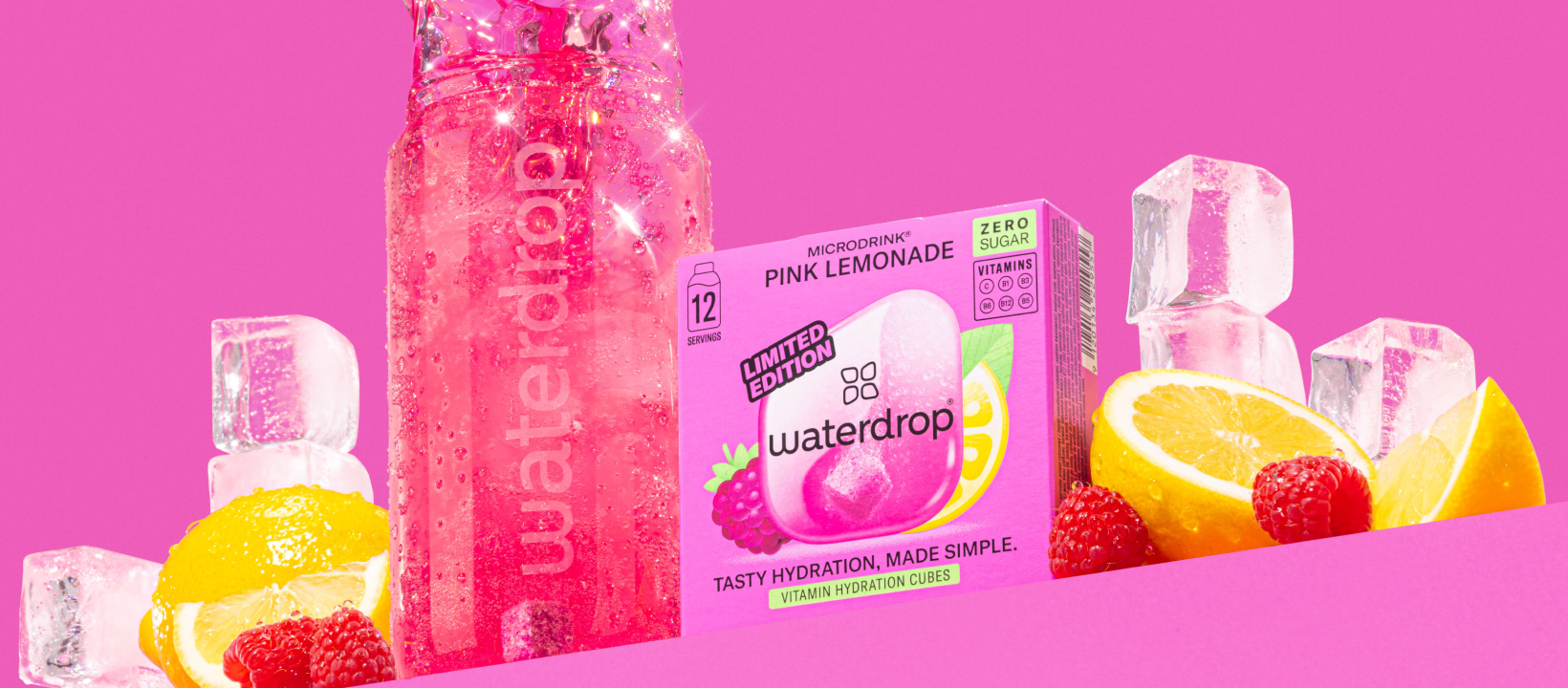
One reason Waterdrop gained attention so quickly is because the product itself feels designed for modern life. The compact microdrink cubes are portable, lightweight, and practical for people constantly moving between work, commuting, workouts, and social activities.
There is also something surprisingly satisfying about the ritual. Dropping a cube into water feels intentional in a way that grabbing random sugary drinks from a fridge does not. For many users, it becomes part of a healthier daily routine rather than just another beverage choice.
Some practical reasons people are drawn to the format include:
Easy portability during travel or office days
Less dependence on plastic beverage bottles
Flavor variety without storing multiple drinks
Simpler hydration tracking throughout the day
A more enjoyable alternative to plain water
The convenience factor matters because health habits usually fail when they become complicated. Waterdrop succeeds partly because it removes friction from the hydration process.
Why Aesthetic Wellness Products Are Winning Right Now
It is impossible to ignore how much visual culture affects buying decisions today. People want products that feel good to use, not just products that function properly. Wellness has become deeply tied to lifestyle aesthetics, from kitchen organization to gym accessories to desk setups.
Waterdrop understood this shift early. The sleek bottles, minimalist packaging, and clean branding make hydration feel elevated rather than boring. That might sound superficial at first, but design often influences consistency more than people realize.
When something looks appealing, people are more likely to keep using it. That applies to fitness gear, skincare, meal prep tools, and even water bottles. The brand created products that people actually want to carry around publicly instead of hiding at the bottom of a bag.
This approach especially resonates with younger consumers who blend wellness habits with lifestyle identity. Social media also amplified this trend because aesthetically pleasing wellness products naturally fit into everyday content creation without looking forced.
The Sustainability Conversation Is No Longer Optional
Consumers today increasingly notice how much waste comes from bottled drinks. People who once bought multiple flavored beverages each week are now more conscious about packaging and environmental impact. Even small daily choices feel more significant.
That is another reason Waterdrop connects with modern consumers. The brand’s approach encourages reusable bottles and reduces the need for constantly purchasing bottled flavored drinks. For environmentally conscious buyers, that feels more aligned with long-term lifestyle goals.
Sustainability matters more now because people are trying to balance convenience with responsibility. Many consumers do not expect perfection from brands anymore, but they do appreciate practical efforts that reduce unnecessary waste.
Things worth considering when choosing hydration products today include:
Amount of single-use plastic involved
Ingredient transparency
Ease of reuse and portability
Long-term cost versus disposable beverages
Whether the product realistically supports daily habits
People are becoming more selective about the brands they incorporate into everyday routines, and sustainability now plays a major role in that decision-making process.
Hydration Became Part of Productivity Culture Too
One underrated shift in recent years is how hydration became linked to productivity and mental performance. Office workers, students, remote employees, and creators often talk about water intake alongside focus, energy, and burnout prevention.
Waterdrop fits naturally into this modern productivity culture because it makes hydration feel less like a chore during long workdays. Many people simply forget to drink water when they are busy. Adding flavor and creating a more enjoyable experience can genuinely improve consistency.
This matters because small wellness habits often influence how people feel throughout the day more than dramatic health routines do. Better hydration may help support:
Energy levels during work hours
Concentration and mental clarity
Workout recovery routines
Reduced dependence on sugary drinks
Better consistency with healthy habits overall
The modern workplace culture around wellness has changed significantly. Hydration is no longer treated like basic advice everyone ignores. It is now tied directly to performance, balance, and sustainable routines.
Why the Brand Feels More Like a Community Than a Beverage Company
One reason Waterdrop feels different from traditional beverage brands is because it sells an experience rather than just a drink. The focus extends into lifestyle, routine-building, wellness motivation, and personal habits.
Consumers today often connect more strongly with brands that reflect how they want to live rather than simply what they want to buy. That emotional connection creates stronger loyalty because the product becomes part of a bigger identity shift.
The brand also feels timely because it aligns with several major modern priorities all at once:
Wellness without extreme restriction
Convenience without sacrificing quality
Sustainability without making life harder
Better routines without unrealistic expectations
Lifestyle improvement through small daily habits
That combination is powerful because people are tired of wellness trends that feel impossible to maintain.
Hydration Is No Longer Just About Water
The conversation around health has evolved beyond rigid fitness trends and unrealistic routines. People now care more about sustainable habits they can actually maintain long term. Hydration became part of that shift because it affects so many areas of everyday life, from energy and focus to workouts and general well-being.
Waterdrop arrived at the right moment by turning something simple into something engaging, stylish, and practical. Instead of forcing consumers into complicated wellness systems, the brand supports one small habit that genuinely fits into modern life.
That may be the biggest reason it continues gaining attention. It does not try to completely reinvent health culture. It simply makes one important daily routine easier, better-looking, and more enjoyable to stick with.