The DIY Shortcut Everyone Is Talking About: ALL-IN-ONE Paint Transforming an Entire Home
Unlike traditional paint systems that often require sanding, priming, sealing, and multiple finishing steps, ALL-IN-ONE Paint was designed around simplicity. The brand's formula combines several functions into one product, allowing users to tackle furniture, cabinets, doors, countertops, and many other surfaces with fewer materials and fewer steps. The concept has resonated strongly with DIY enthusiasts looking for practical solutions rather than complicated processes.
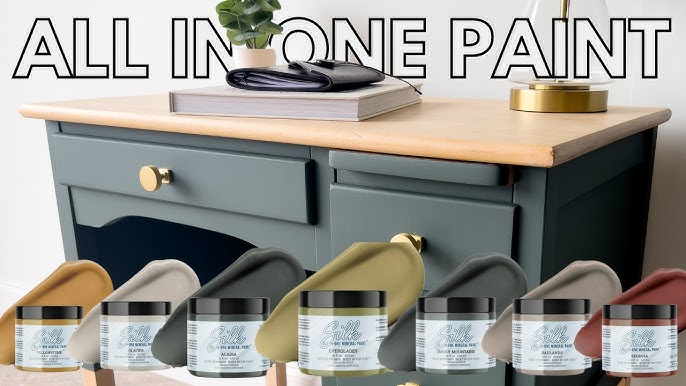
Home improvement has changed dramatically over the past few years. More homeowners are taking on projects themselves, not just to save money, but to create spaces that feel more personal. At the same time, many people have grown frustrated with renovation projects that require endless preparation, multiple products, and days of work. That is exactly where ALL-IN-ONE Paint has captured attention.
Unlike traditional paint systems that often require sanding, priming, sealing, and multiple finishing steps, ALL-IN-ONE Paint was designed around simplicity. The brand's formula combines several functions into one product, allowing users to tackle furniture, cabinets, doors, countertops, and many other surfaces with fewer materials and fewer steps. The concept has resonated strongly with DIY enthusiasts looking for practical solutions rather than complicated processes.
Why simplicity has become one of the most valuable features in home improvement
For years, many renovation projects followed the same formula: clean, sand, prime, paint, seal, and wait. While professionals understand these steps, they can feel intimidating for first-time DIYers.
This is where ALL-IN-ONE Paint stands out. The brand's approach centers on reducing the number of products and preparation stages required for many common home projects. According to the company, its paint is designed to be used on numerous surfaces without requiring separate primers or topcoats in many situations.
The practical benefit is obvious. Less preparation often means projects are more likely to get finished. For busy homeowners, reducing complexity can be the difference between finally updating a room and postponing it for another year.
The rise of furniture flipping and why paint is at the center of it
One of the biggest home-design trends today is giving existing furniture a second life. Rather than replacing cabinets, dressers, or tables, many homeowners are choosing to refresh what they already own.
ALL-IN-ONE Paint aligns closely with this movement. The company promotes its products for furniture, cabinets, and decorative transformations, helping people update pieces that might otherwise end up discarded. The brand itself highlights a commitment to keeping furniture out of landfills through restoration rather than replacement.
This approach offers several advantages:
Lower renovation costs
Less waste
More customization opportunities
Faster project completion
The satisfaction of creating something unique
For many homeowners, these benefits matter just as much as the finished appearance.
What makes all-in-one paint different from traditional paint systems?
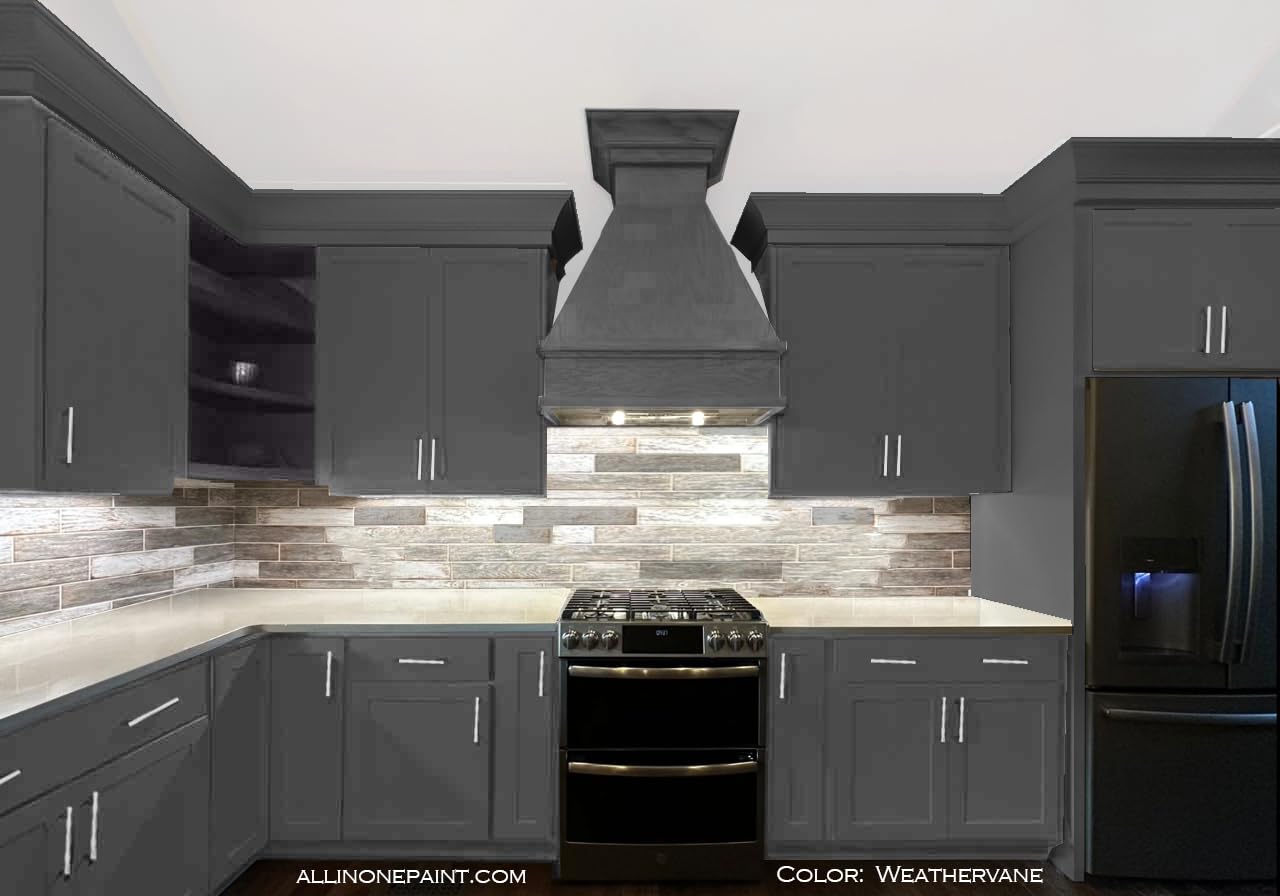
The concept behind ALL-IN-ONE Paint is straightforward. Instead of requiring separate products for bonding, coverage, and protection, the formula combines those functions into a single coating. The company states that the paint can be applied to a wide variety of surfaces, including wood, laminate, tile, vinyl, leather, plastic, masonry, and outdoor furniture.
Another notable feature is the inclusion of a built-in topcoat and exterior-grade durability claims, allowing users to work on both indoor and outdoor projects with the same product line.
Of course, surface preparation still matters. Industry experts generally note that even all-in-one products perform best when surfaces are thoroughly cleaned and prepared according to manufacturer instructions.
The appeal of DIY confidence in an age of online tutorials
One reason ALL-IN-ONE Paint continues to attract attention is accessibility. The brand provides tutorials and project guidance aimed at beginners who may have little previous painting experience.
This reflects a broader trend. Consumers increasingly learn renovation skills through online videos, social media communities, and project-based content rather than traditional workshops. Products that simplify the learning curve naturally fit this environment.
The result is a growing group of homeowners who feel comfortable tackling projects that previously seemed beyond their abilities. Whether updating kitchen cabinets, refreshing bathroom vanities, or transforming thrift-store finds, easier-to-use products help lower the barrier to entry.
What real users seem to appreciate most
Perhaps the most interesting insight comes from user discussions. Many DIY enthusiasts praise ALL-IN-ONE Paint for its coverage, convenience, self-leveling qualities, and ability to eliminate multiple preparation steps. Several users report successful results on furniture, cabinets, doors, and decorative projects.
Some users particularly appreciate:
Reduced preparation work
Strong color coverage
Smooth application
Large color selection
Durability for everyday furniture projects
At the same time, community discussions also reveal an important lesson: results often depend heavily on preparation methods, application techniques, environmental conditions, and project expectations. Some experienced painters prefer more traditional systems for high-traffic cabinetry or professional-grade finishes.
This reinforces a useful reality of DIY projects: the product matters, but technique matters too.
What to consider before starting your first project
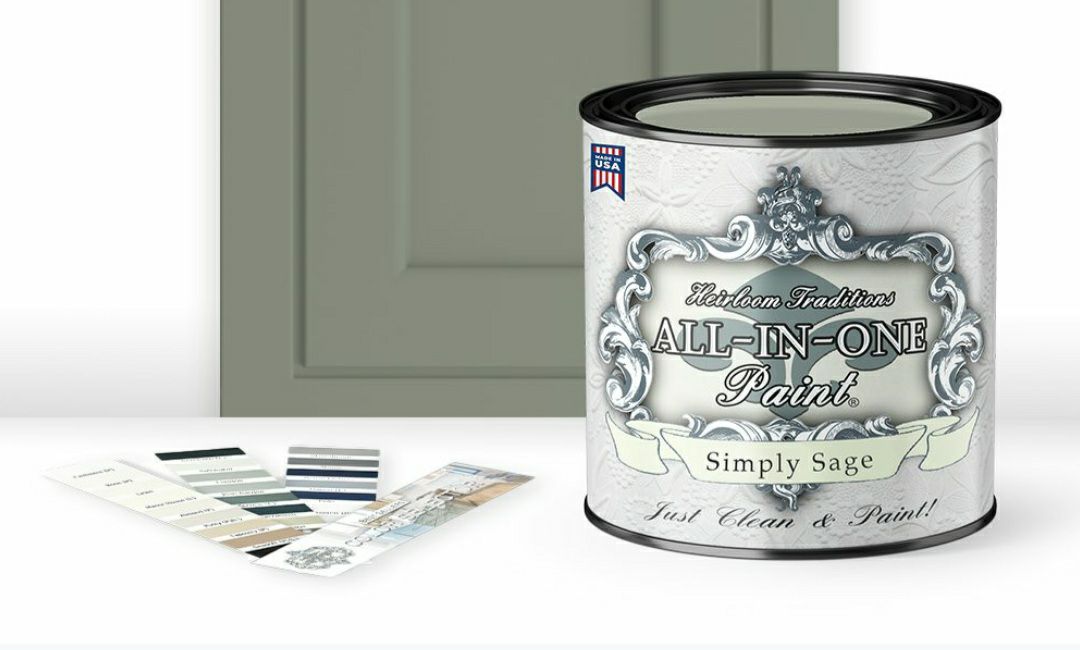
Before using ALL-IN-ONE Paint, it helps to think about the specific demands of the project.
Consider:
The type of surface being painted
Whether the surface is exposed to heavy wear
Indoor versus outdoor use
Desired finish and appearance
Application method
Cleaning and preparation requirements
Even when a paint is designed to simplify the process, investing time in preparation and following instructions carefully can significantly improve long-term results. Industry experts consistently point out that proper preparation remains one of the biggest factors in paint performance.
Why the biggest home-improvement trend may be doing more with less
The popularity of ALL-IN-ONE Paint reflects a broader shift in how people approach home improvement. Homeowners increasingly want solutions that are practical, approachable, and capable of delivering meaningful transformations without requiring professional-level expertise.
Rather than focusing solely on paint, the brand taps into something larger: the desire to refresh, restore, and personalize spaces with less hassle. For people looking to revive furniture, modernize cabinets, or experiment with creative DIY projects, that promise of simplicity may be exactly what makes the difference between an idea and a completed project.