OUPES and the New Everyday Power Habit: Smarter Backup for Homes, Weekends and Life Off the Grid
OUPES stands out by bringing together sizeable battery capacities, LiFePO4 technology, solar compatibility, expandable storage and connected controls across its range. The key is choosing according to real needs rather than simply chasing the biggest number on a specification sheet. When capacity, output, charging options and intended use all line up, portable power becomes less of an emergency purchase and more of a useful part of modern everyday life.
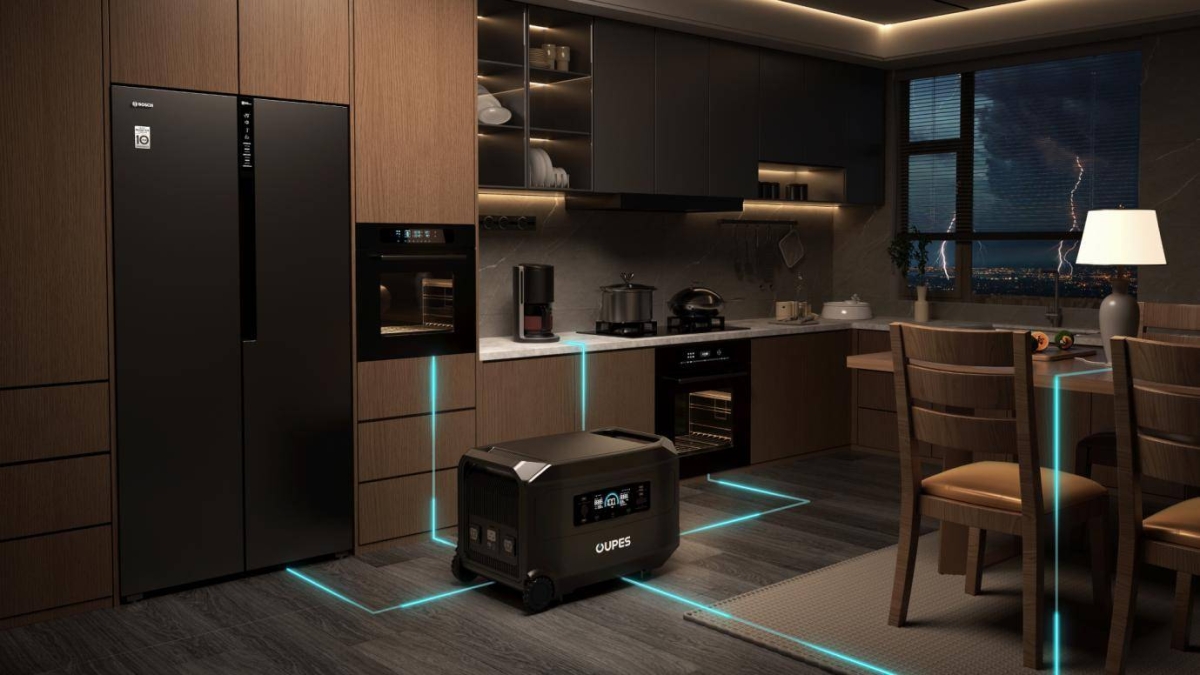
Power used to be something most people only thought about when the lights went out. Today, that relationship is changing. Working from home, charging multiple devices, keeping food cold during an outage, spending weekends outdoors and staying connected during storms all make dependable electricity part of everyday planning.
That is where portable power stations have found a useful place between a phone power bank and a traditional fuel generator. OUPES has built its range around this more flexible idea of backup power, with portable stations designed for home emergencies, travel, camping and off-grid use. Its current lineup includes everything from smaller portable models to larger systems designed for substantial household backup.
Backup Power Is Becoming Part of Everyday Preparedness
A power station is most useful when it is treated as part of normal household preparedness rather than something pulled out of storage only after an outage begins. A charged unit can keep essentials such as phones, routers, lights and selected appliances running while the rest of the house waits for electricity to return.
That practical approach is one reason battery-powered backup has become appealing. Unlike a conventional fuel generator, a portable power station does not require gasoline to produce electricity while operating. It can also be used indoors in appropriate conditions because it does not create engine exhaust. For households that want a quieter, simpler backup option, that changes the experience of preparing for an outage.
The Real Value Comes From Matching Power to Real Life
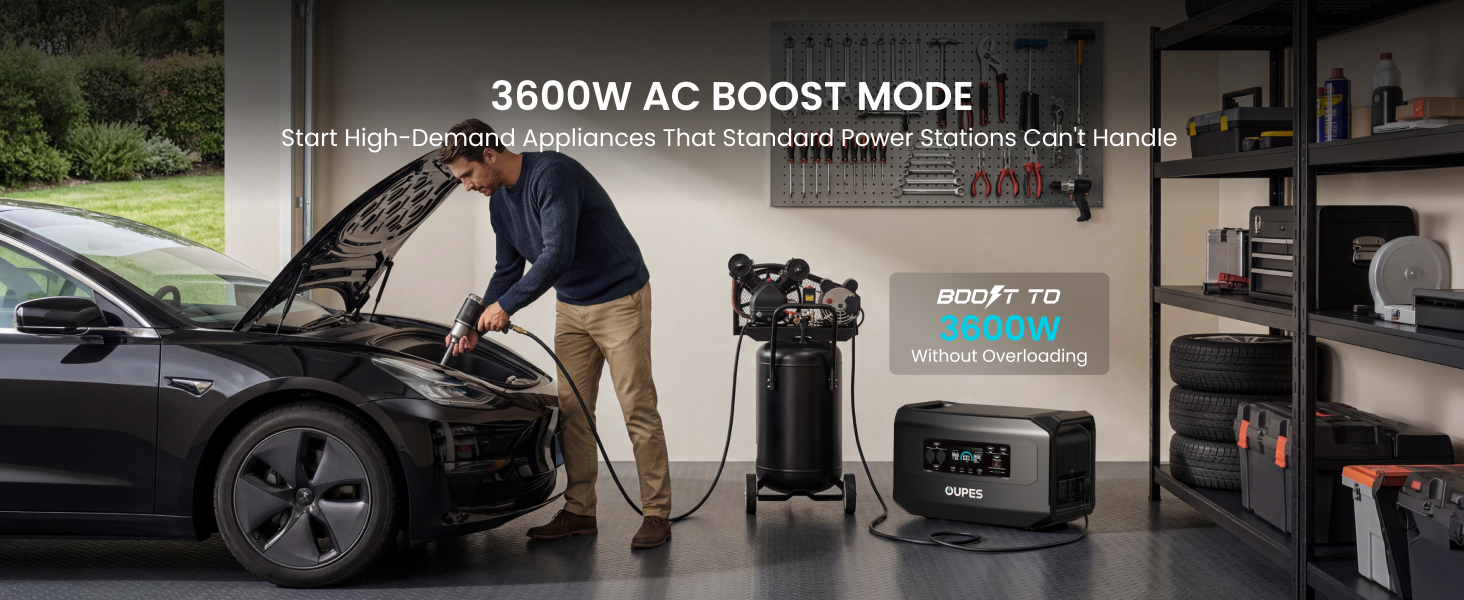
One of the strongest features across the larger OUPES stations is the combination of substantial battery storage and high output. For example, the Mega 2 has a 2,048Wh LiFePO4 battery and a 2,500W AC inverter, with a stated 5,400W surge capability. Independent testing and reviews have also highlighted its ability to handle demanding household loads while offering a relatively compact format for its capacity.
That does not mean every appliance should automatically be connected. The smarter approach is to decide what actually matters during an outage. A refrigerator, internet router, phone chargers, lamps and a laptop may be far more important than trying to operate every appliance in the home. Thinking in terms of essential loads makes the stored energy go much further and gives a clearer idea of which capacity is appropriate.
LiFePO4 Batteries Bring Long-Term Thinking Into the Picture
Battery chemistry can sound like technical fine print, but it matters when a power station is expected to become a regular part of household life. OUPES uses LiFePO4, or lithium iron phosphate, batteries in models such as the Mega 2. This chemistry is valued for its durability and is commonly used in modern energy-storage products. The Mega 2 is rated for more than 3,500 cycles before reaching 80% of its original capacity, according to TechRadar's testing and specifications review.
The practical benefit is simple: a power station can be useful beyond one emergency. It can become part of a weekend camping setup, a backup for home working or an extra source of electricity for outdoor projects. That versatility makes the initial investment easier to justify for people who would otherwise buy equipment that sits unused for most of the year.
Solar Charging Makes Backup Power More Flexible
A battery is only one part of an off-grid setup. The ability to recharge it matters just as much, particularly during extended outages or outdoor trips. Larger OUPES models support solar charging, while the company's current product range includes compatible solar panels and accessories. The Mega 2, for example, is specified with up to 2,100W of solar input alongside 1,600W of AC charging.
There is an important lesson here for shoppers: maximum input figures should always be considered alongside the actual solar setup. Panel voltage, current, wiring and compatible equipment all affect how much energy reaches the station. OUPES provides product manuals and support information for its different power stations and solar equipment, making it worth checking the specifications before building a complete system.
Expandable Storage Can Make a Power Station Grow With You
Energy needs do not always stay the same. A small household may initially need enough capacity for electronics and lighting, then later want longer backup periods or additional appliances. Expandable battery systems address that change without requiring the owner to replace the main power station immediately.
The Mega 2 is one example, with its 2,048Wh base capacity designed to expand to more than 10kWh with additional battery packs. That can be especially useful for people who want to start with a manageable setup and increase storage as their needs become clearer. Instead of buying the largest system from day one, expandable capacity creates room to build gradually.
A Good Power Setup Is About Convenience, Not Just Capacity
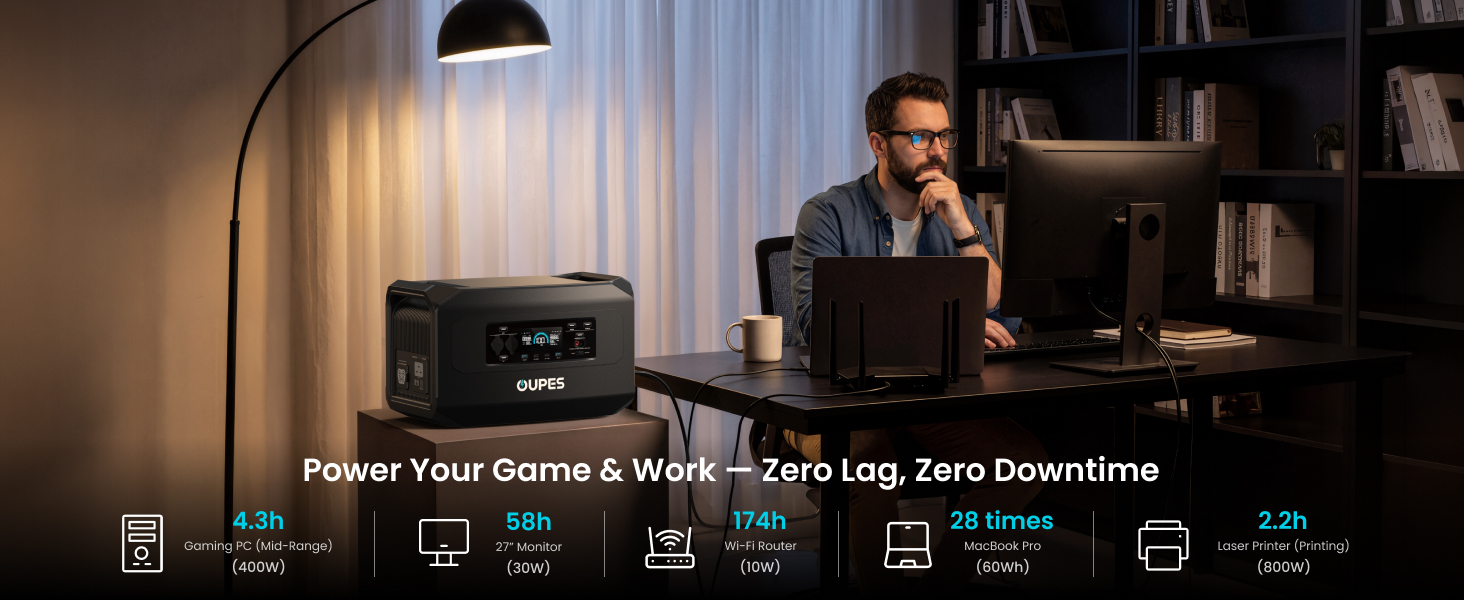
The best backup equipment is the equipment people understand how to use before an emergency. This is where smart features can make a noticeable difference. The Mega 2 includes Wi-Fi and Bluetooth connectivity, allowing users to monitor and control the station through a mobile app.
For everyday use, that can make it easier to check battery levels, watch power consumption and understand how quickly a particular load is using stored energy. It also encourages a more informed approach to electricity. Rather than guessing whether there is enough power left for the refrigerator or a laptop, users can monitor consumption and make decisions accordingly. That small layer of visibility can make a large battery feel much easier to manage.
Power That Fits the Way You Live
Portable power is no longer limited to emergency kits and serious off-grid enthusiasts. It has become a practical lifestyle tool for people who want more control over how they stay powered, whether that means preparing for outages, working away from a traditional outlet, heading out for a weekend adventure or gradually building a home backup system.
OUPES stands out by bringing together sizeable battery capacities, LiFePO4 technology, solar compatibility, expandable storage and connected controls across its range. The key is choosing according to real needs rather than simply chasing the biggest number on a specification sheet. When capacity, output, charging options and intended use all line up, portable power becomes less of an emergency purchase and more of a useful part of modern everyday life.