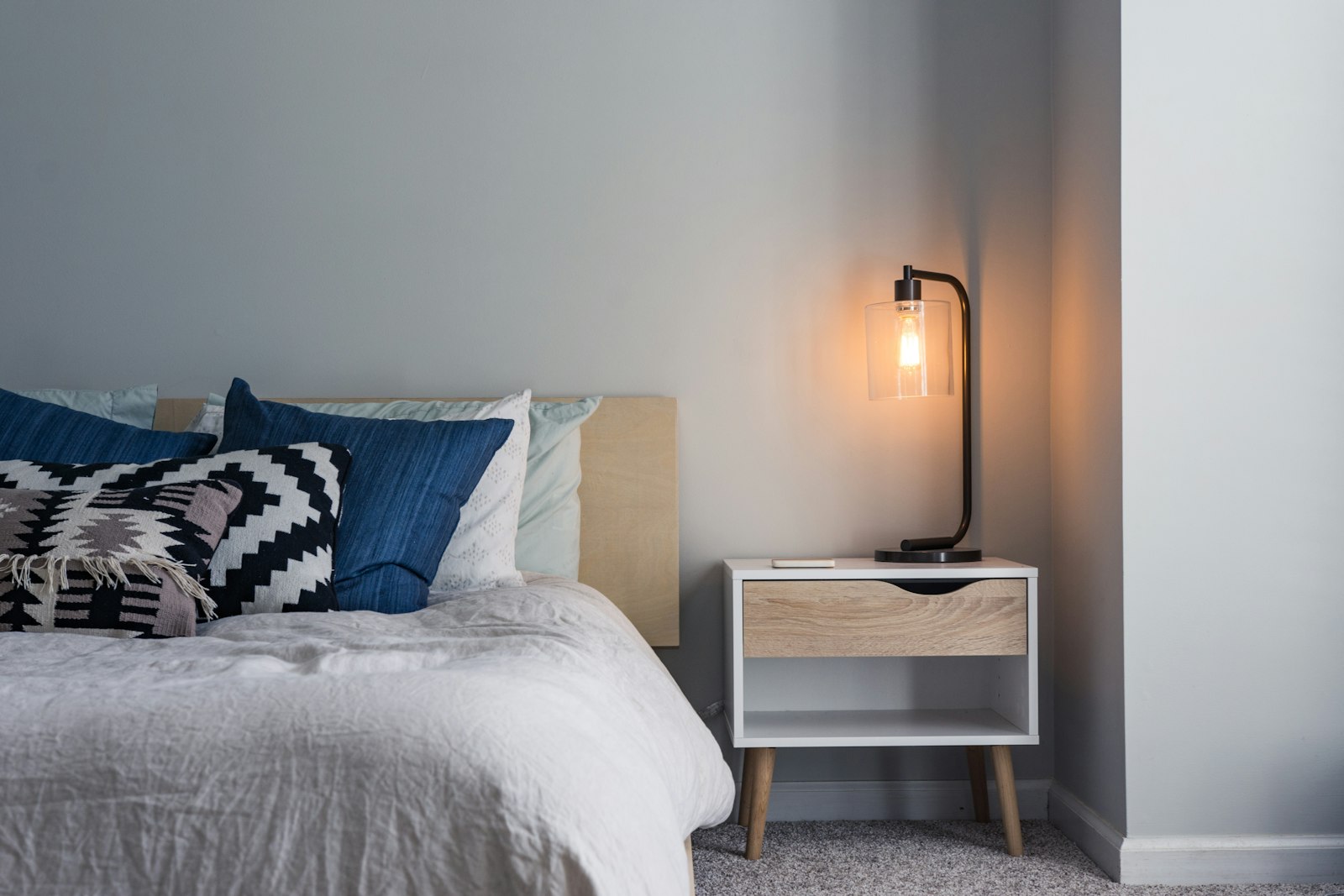
The Solid Oak Side Table That's Worth Spending On
Most furniture under $400 is plywood with veneer. The exception is a category of small solid-oak pieces that will outlast every couch you'll ever own.
The case for buying solid wood furniture is straightforward: it lasts longer, looks better as it ages, and ends up cheaper per year than the particle-board alternatives. The case against is also straightforward: you cannot afford a solid-wood couch or bed frame for less than several thousand dollars, and the gap between "real wood" marketing and actual solid-wood construction is wide enough to drive a delivery truck through. Side tables are the exception — and the easiest place to start.
What "solid wood" actually means
The standard furniture industry trick is to label something "solid hardwood construction" when only the legs and frame are solid wood and the surfaces are veneer over MDF or particle board. This is technically not lying. It is also not what most buyers think they're getting.
A truly solid-wood side table has its top, sides, and structural elements all made from milled wood — usually oak, walnut, or maple. The grain runs continuously through the piece. The bottom of the table top has the same wood as the top. The end grain on the corners shows the same wood as the face. These are the things to check.
If you cannot tell from the product photos, ask the brand directly. A real solid-wood manufacturer will answer immediately. A veneer manufacturer will hedge.
Why side tables are the right starting point
Side tables are small. Even at premium prices, you can find solid oak side tables in the $250 to $500 range — about 10% of what a comparable solid-wood couch would cost. The size means the wood cost is manageable, the construction is simple, and the failure modes are minimal.
A solid oak side table will look better in five years than the day you bought it. The patina that develops on white oak, in particular, is worth waiting for — slight darkening in the grain, a soft satin finish where you've set down drinks, the kind of mellowing that gives a piece character.
The pick: a Shaker-style end table
The Shaker design tradition is the right starting point for a first solid-wood piece. Shaker furniture was designed for utility, durability, and visual quietness. The proportions are inherently good. The construction techniques (mortise-and-tenon joinery, dovetailed drawers, breadboard ends on table tops) are time-tested and easy for a buyer to inspect.
Brands worth looking at: Maine Cottage, Stickley, Vermont Furniture Designs, and on the more affordable end, Crate & Barrel's Tate Bunching Tables (one of the few chain offerings that's actually solid wood). The Tate runs about $400 and is a textbook example of well-built solid oak — substantial weight, visible joinery, and a finish that will hold up for decades.
What to look for in person
Pick the table up. A solid oak side table should weigh 25 to 40 pounds. If it weighs 12 pounds, the structural elements are not solid wood. If it weighs 60 pounds, the top is likely solid but the frame may be solid wood over a heavy MDF core.
Run your hand along the underside of the top. The grain should be visible and continuous with the top surface. Veneer-over-MDF construction usually has a smooth, paint-like underside that feels nothing like the top.
Look at the joinery. Drawer joints should be dovetailed, not stapled. Leg-to-frame connections should be mortise-and-tenon or dowel-and-glue, not metal brackets. Modern solid-wood furniture often hides screws under wooden plugs — that's fine. What you don't want to see is exposed metal hardware doing structural work.
Finish and maintenance
Solid oak takes finish beautifully. The two finishes worth seeking out are oil (Danish oil, tung oil, or proprietary oil blends) and water-based polyurethane in a satin or matte sheen. Avoid high-gloss polyurethane — it looks plasticky and shows every scratch.
Oil-finished tables need occasional re-oiling, maybe once every two or three years. The process takes 20 minutes, costs about $15, and the table looks new again. Polyurethane-finished tables need almost nothing — wipe with a damp cloth, occasional furniture polish, done.
Water rings will happen. On oil-finished tables, they buff out with a soft cloth and a touch of oil. On polyurethane-finished tables, they generally don't form to begin with.
The math over a decade
A $400 solid oak side table, used daily, costs about 11 cents a day over a decade. A $120 IKEA side table, used daily for the average four-year lifespan before a leg gives out or the veneer chips, costs about 8 cents a day. The IKEA looks worse every year. The oak looks better.
For 3 cents a day, you get a piece of furniture that you'll never need to replace, that improves with use, and that fits anywhere you decide to live for the rest of your life. That is one of the rare furniture purchases that compounds in value rather than depreciating.
When to buy
Solid wood furniture goes on sale infrequently. The two reliable windows are Memorial Day weekend (late May) and Black Friday (late November), when most independent woodworking studios run 15 to 20% off. Bigger national brands like Crate & Barrel run more frequent but smaller sales. Sign up for the newsletter, wait three weeks, and you'll see the discount.
Pay the price. Buy once. Enjoy for decades.