National Trust: The Places That Make a Day Out Feel Like More Than a Day Out
That richer kind of outdoor experience is at the heart of what the National Trust offers. Caring for more than 500 places across England, Wales and Northern Ireland, the charity brings together historic houses, gardens, countryside, coastlines and nature reserves, creating spaces where leisure and learning naturally overlap.
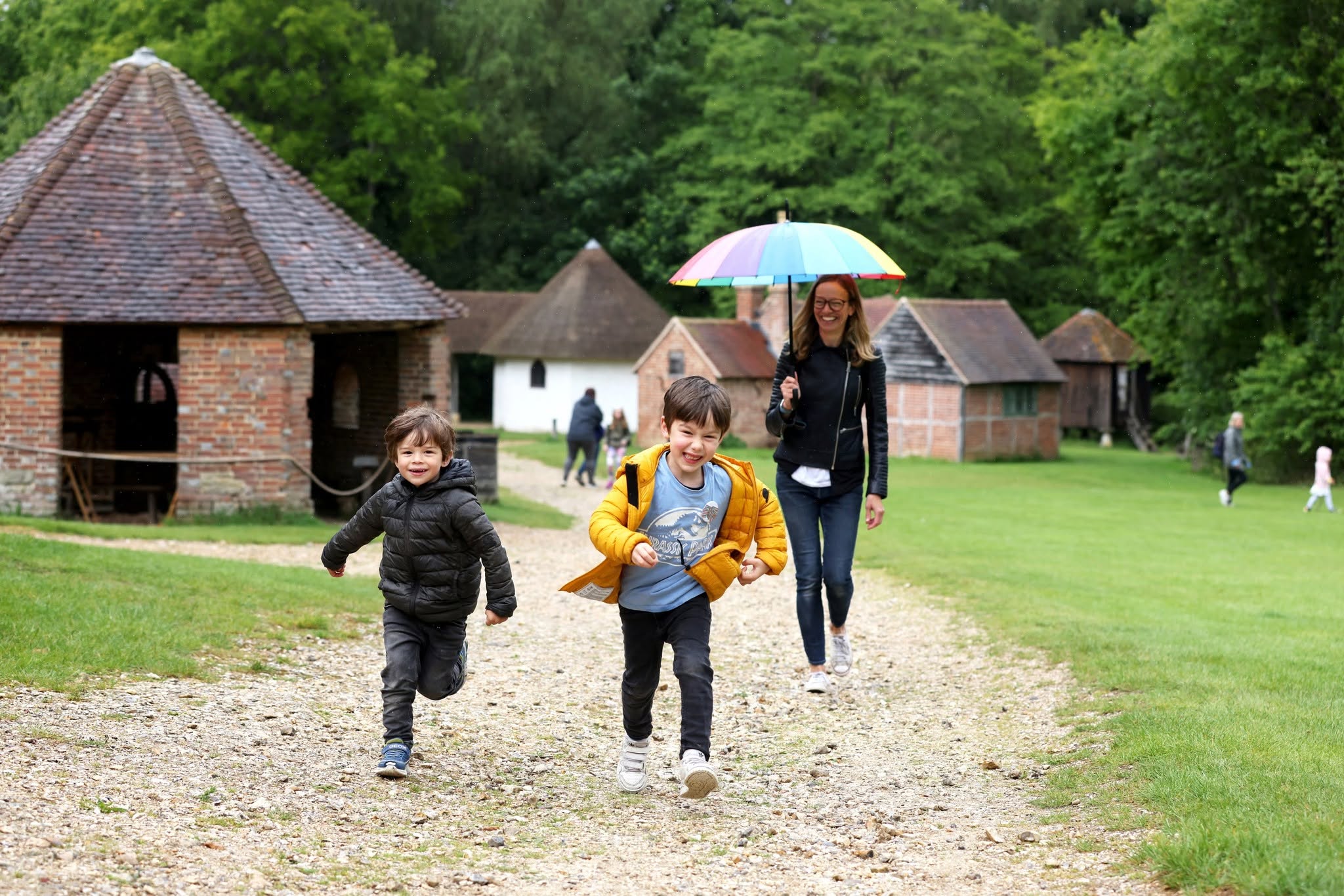
There are days when getting outside means little more than finding a nice walking route, packing a sandwich and hoping the weather behaves. Then there are days when the landscape itself becomes part of the experience. A woodland trail reveals an old story, a garden shows how people once shaped the land, or a quiet stretch of coastline becomes a chance to notice wildlife you would normally miss.
That richer kind of outdoor experience is at the heart of what the National Trust offers. Caring for more than 500 places across England, Wales and Northern Ireland, the charity brings together historic houses, gardens, countryside, coastlines and nature reserves, creating spaces where leisure and learning naturally overlap.
And in 2026, that role feels particularly relevant. With growing interest in meaningful outdoor time, local travel and reconnecting with nature, a visit does not have to be an elaborate holiday. Sometimes, the most rewarding escape is a place with a story waiting around the next corner.
The Real Luxury Is Having Somewhere Worth Slowing Down
Modern life is full of reasons to hurry. Even a weekend away can become a checklist of attractions, restaurants and photographs. National Trust places offer a different rhythm because many are designed around exploration rather than rushing from one activity to another.
A woodland path, historic garden or coastal viewpoint gives visitors permission to slow down and actually notice their surroundings. The Trust's countryside and woodland sites are specifically promoted as places to recharge through outdoor experiences, while activities such as forest bathing encourage visitors to use their senses and spend more mindful time among trees.
That makes these places particularly useful for families, couples and solo visitors who want an outing that feels refreshing rather than exhausting.
Nature Becomes More Interesting When You Know What You’re Seeing
A walk can become a completely different experience once you start recognising the details around you. Instead of simply passing a meadow, you begin looking for butterflies. A woodland becomes a place to listen for birdsong. A coastal path turns into an opportunity to spot seabirds or seals.
The National Trust supports this kind of discovery through nature guides, wildlife information and dedicated nature reserves. Its conservation work covers important habitats including wetlands, heathlands, woodlands and coastline, where visitors can encounter species ranging from water voles and hen harriers to natterjack toads and rare plants.
For visitors, that means the experience can continue after leaving the car park. A simple day outdoors can turn into the beginning of a new interest in local wildlife and landscapes.
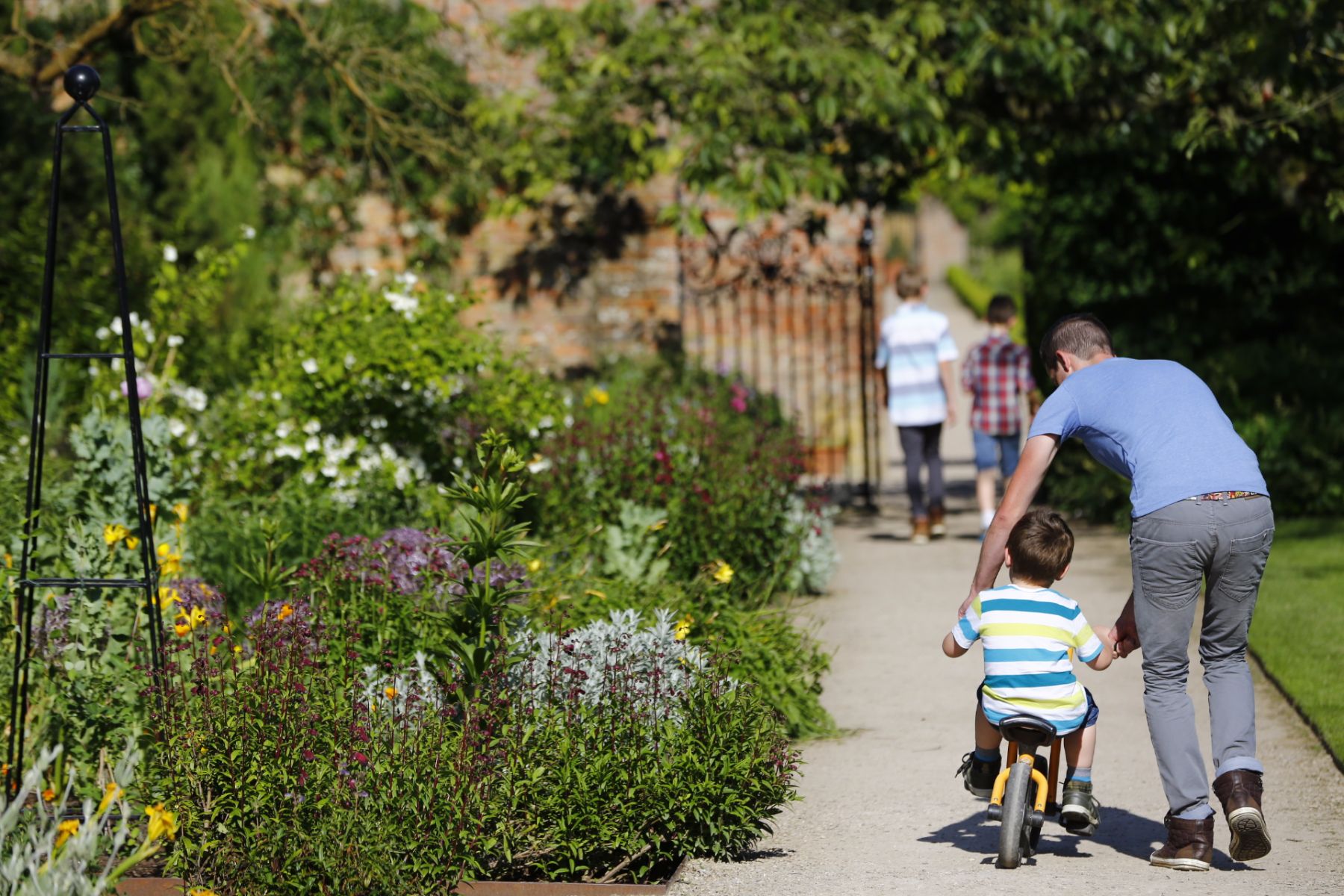
History Feels Different When You Can Walk Through It
Books can tell us what happened in the past, but historic places offer something more immediate. Walking through an old house, garden or working landscape gives history a physical setting.
The National Trust cares for hundreds of historic buildings, gardens and collections, and its approach to history increasingly considers how stories are researched and shared in fair and inclusive ways.
This makes a visit feel less like looking at an old building from behind a rope and more like exploring a living story. Architecture, gardens, objects and landscapes can all reveal how people lived, worked and interacted with their surroundings.
For younger visitors especially, that physical connection can make history easier to understand. Instead of simply remembering dates, they can see the spaces and details that help bring those stories to life.
Conservation Is Happening While Visitors Enjoy the View
One of the most valuable things about visiting a protected landscape is easy to overlook: the beautiful scene in front of you often exists because someone is actively caring for it.
The National Trust's refreshed conservation approach, introduced as part of its long-term People and Nature Thriving Strategy, focuses on maintaining irreplaceable places, adapting them where circumstances change and finding new approaches where climate and nature challenges demand them.
That forward-looking approach matters because conservation is no longer simply about keeping everything exactly as it was. Landscapes face changing weather, biodiversity pressures and visitor demands. The challenge is to protect what matters while allowing places to remain useful, welcoming and relevant.
The result is a more thoughtful kind of day out, where enjoyment and conservation can support each other.
You Don’t Need a Grand Holiday to Feel Away
Another advantage is the sheer variety of places available. The National Trust looks after more than 890 miles of coastline and more than 250,000 hectares of land, alongside hundreds of historic houses, castles, parks and gardens.
That scale makes it easier to build a local adventure around personal interests. Someone might choose a coastal walk, while another visitor prefers a formal garden, woodland trail or historic property. There are also many places where access is free, including green spaces and countryside sites that can turn an ordinary weekend into a low-cost escape.
For people trying to travel more thoughtfully, this can be especially appealing. A memorable experience does not always require flights, hotels or a packed itinerary. A well-chosen local destination can deliver scenery, fresh air, culture and a sense of discovery in a single afternoon.
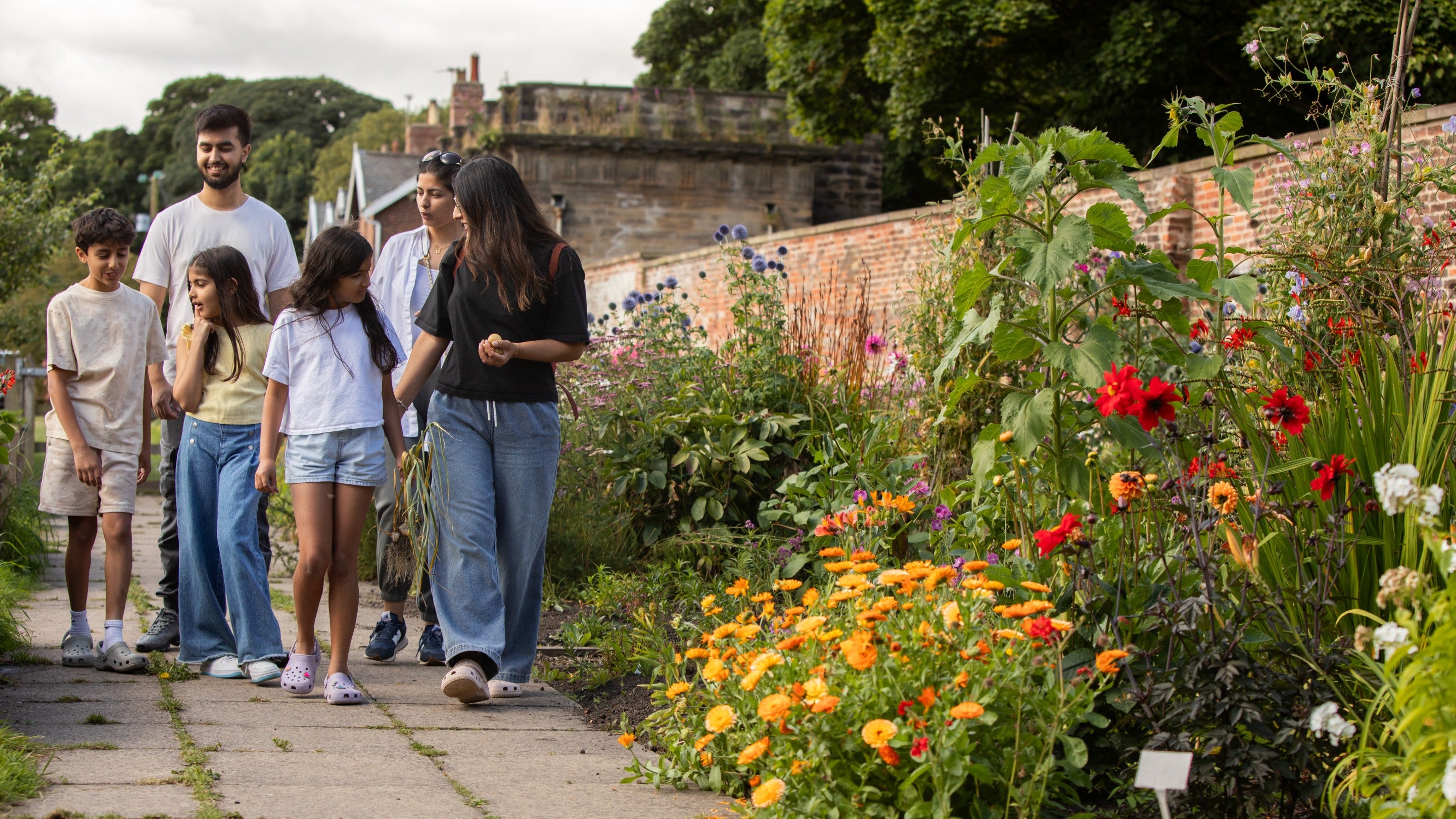
A Better Visit Starts Before You Arrive
The best National Trust days out are rarely accidental. A little preparation can make the experience considerably smoother, particularly when visiting popular or more specialised sites.
It is worth checking the individual property page before travelling because booking requirements vary. Most places no longer require advance booking, although some attractions, guided experiences and locations with specific capacity limits still do.
Accessibility is another useful consideration. The Trust is continuing to improve access and provides Access Guides and other resources to help visitors understand individual sites before they arrive.
A few simple checks can therefore make a big difference:
Look at opening times and current access information.
Check whether a particular activity or tour requires booking.
Choose footwear that suits the terrain.
Look at weather conditions before setting out.
Allow enough time to explore rather than squeezing everything into one schedule.
Check accessibility information if anyone in your group has specific requirements.
These small details leave more room for what really matters: enjoying the place.
The Best Escapes Leave Something Behind
The strongest reason to explore the National Trust is not simply the number of places available. It is the variety of experiences those places can create.
A visit might begin as a simple walk and end with a new appreciation for an ancient woodland. A family outing might spark curiosity about history. A quiet afternoon in a garden might provide the reset that a busy week has been missing. Meanwhile, every visit helps support the wider work of caring for nature, heritage, and landscapes for the future.
That makes the idea of a day out feel rather different. You are not simply visiting somewhere beautiful. You are stepping into a landscape with a past, a present, and a future, and perhaps leaving with a little more curiosity about all three.