AromaTech and the Invisible Design of Atmosphere: How Scent Became a Lifestyle Layer
AromaTech builds its product philosophy around this idea of emotional environment design. Rather than treating fragrance as purely aesthetic, it positions scent as something that can subtly influence how people feel—calm, energized, grounded, or refreshed depending on the blend.
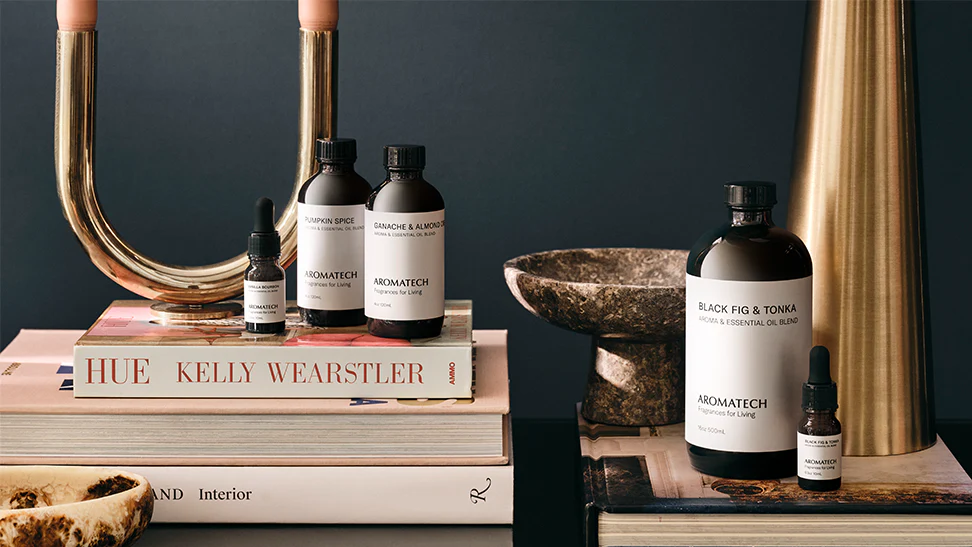
Interior design has traditionally focused on what we see—furniture, lighting, color palettes, and textures. But a quieter shift has been taking place in modern homes and commercial spaces: the rise of scent as part of design itself. This is where AromaTech enters the conversation, not just as a fragrance brand, but as a company built around shaping how environments feel.
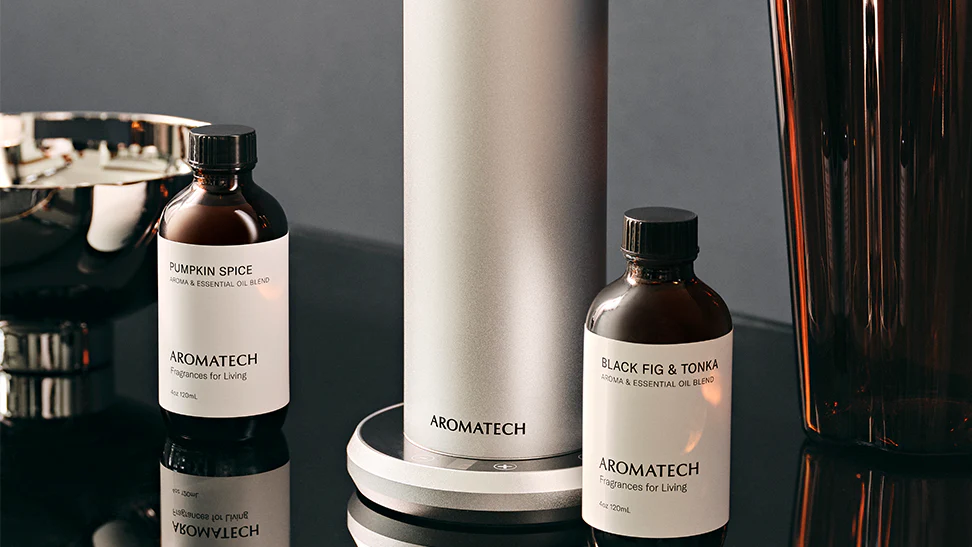
What makes AromaTech distinctive is its approach to scent as a structured experience rather than a simple fragrance product. Using cold-air nebulizing technology and curated fragrance oils, the brand focuses on turning scent into an ambient layer that integrates into homes, hotels, retail spaces, and offices. The result is less about “smelling nice” and more about building a consistent emotional atmosphere indoors.
When Scent Became Part of Interior Design
For a long time, scent in homes was treated as an afterthought—candles on a shelf or diffusers placed casually in corners. But modern lifestyle design has started to treat scent with the same importance as lighting or sound.
AromaTech plays directly into this evolution. Its systems are designed to distribute fragrance evenly across a space, making scent feel like part of the architecture rather than an accessory. Instead of short bursts of fragrance, the goal is continuous atmosphere building.
This shift reflects a broader trend: people no longer design homes just for appearance, but for mood.
The Science of Cold-Air Diffusion and Why It Matters
One of the defining features behind AromaTech is its use of cold-air nebulizing technology. Unlike heat-based or water-diluted diffusers, this system disperses fragrance in a fine, dry mist, designed to preserve the integrity of the oils.
The practical benefit is consistency. The scent does not fade unevenly or depend on heat levels. Instead, it maintains a steady presence in the space.
Key advantages often associated with this method include:
No water dilution, preserving scent intensity
No heat degradation of fragrance oils
More even scent distribution across larger spaces
Cleaner diffusion without residue
This technical approach is a big reason why AromaTech is frequently used in larger environments like retail stores and hospitality spaces.
Why Hotels and Retail Spaces Invest in Signature Scents
Walk into a luxury hotel or high-end boutique and you may notice something subtle: a consistent, recognizable smell. This is not accidental. It is part of what is known as scent branding.
AromaTech operates heavily in this space, where businesses use fragrance to create identity. A signature scent can influence how people perceive a brand, how long they stay in a space, and even how they emotionally recall an experience later.
In commercial environments, scent becomes:
A memory trigger for customers
A tool for emotional branding
A way to differentiate physical spaces
A subtle extension of interior design
This transforms fragrance from decoration into strategy.
The Rise of “Smart Scenting” in Modern Homes
Home fragrance has evolved far beyond plug-ins and candles. Increasingly, consumers want systems they can control, schedule, and integrate into daily routines.
AromaTech has leaned into this shift by offering app-connected diffusers in some of its product line. These systems allow users to adjust intensity, set schedules, and maintain consistent scent environments across different rooms.
This reflects a broader lifestyle trend where homes are becoming semi-automated environments. Lighting, temperature, sound—and now scent—are being managed as part of a unified comfort system.
The appeal is simple: less effort, more consistency.
Emotional Design: How Scents Influence Mood
Scent is one of the most direct sensory triggers linked to memory and emotion. A familiar fragrance can change perception of a space instantly, even before anything visual is noticed.
AromaTech builds its product philosophy around this idea of emotional environment design. Rather than treating fragrance as purely aesthetic, it positions scent as something that can subtly influence how people feel—calm, energized, grounded, or refreshed depending on the blend.
This is why scent is increasingly being used in:
Wellness spaces and spas
Work-from-home environments
Luxury residential interiors
Hospitality experiences
It is not just about fragrance anymore, but about psychological atmosphere.
What Users Should Understand Before Investing in Scent Systems
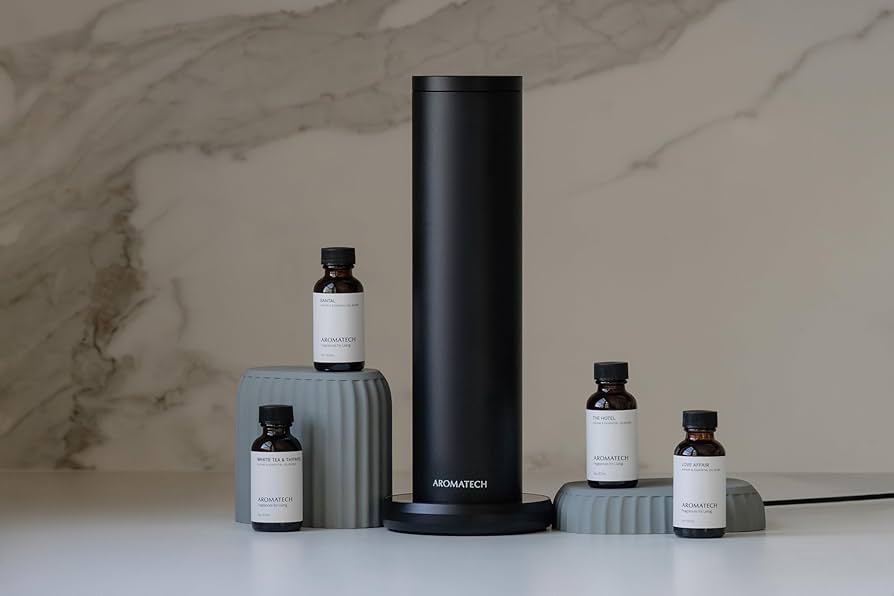
While scent diffusers offer a premium experience, they also require a different mindset compared to traditional home fragrance products. Systems like those from AromaTech rely on specific oils designed for their diffusion technology, and performance can vary depending on space size and usage habits.
Important considerations include:
Space size and diffuser coverage range
Ongoing cost of fragrance refills
App connectivity and control preferences
Intensity preferences (subtle vs strong scenting)
Maintenance and oil compatibility requirements
These factors matter because scent systems are not just decorative items—they are continuous-use environment tools.
When Atmosphere Becomes the Real Luxury
The evolution of AromaTech reflects a quiet but powerful change in how people think about space. Luxury is no longer only about what you see or own, but also about what you experience without noticing.
Scent, once considered secondary, is now part of how environments are built and remembered. Whether in homes, hotels, or retail spaces, it plays a subtle role in shaping emotion and memory.
In that sense, AromaTech is less about fragrance alone and more about designing invisible comfort. It represents a growing idea in modern living: that the best-designed spaces are not just seen—they are felt.