When Your Health Data Starts Talking Back: How Hume Health Is Turning Everyday Tracking Into Smarter Living
Most people already track their health in fragments—steps on a watch, sleep on an app, weight on a scale—but rarely do these pieces come together in a meaningful way. That’s where Hume Health (in its broader ecosystem approach) stands out, aiming to turn disconnected metrics into a continuous, readable picture of the body.
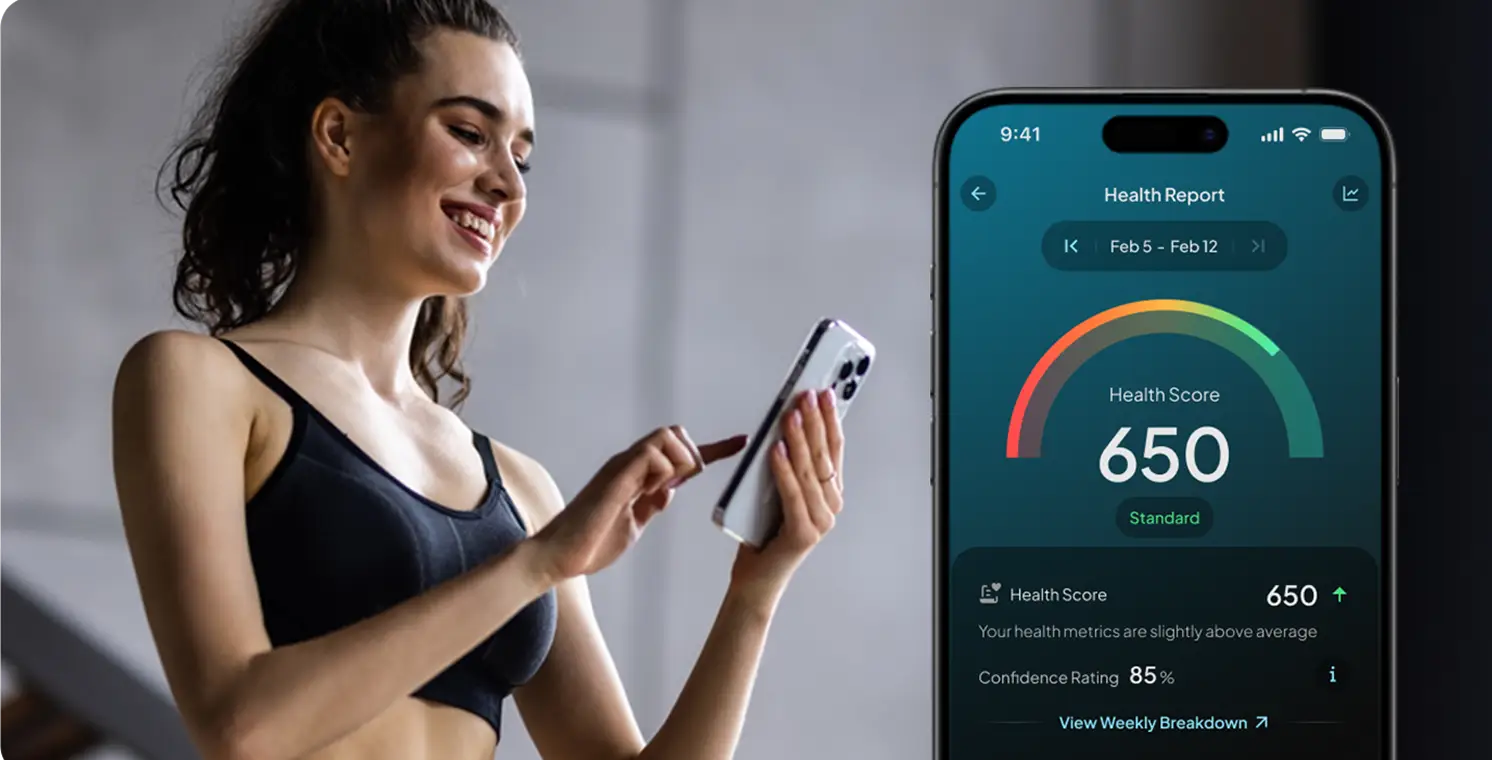
Most people already track their health in fragments—steps on a watch, sleep on an app, weight on a scale—but rarely do these pieces come together in a meaningful way. That’s where Hume Health (in its broader ecosystem approach) stands out, aiming to turn disconnected metrics into a continuous, readable picture of the body.
Instead of treating health as separate categories, the platform connects body composition, activity, sleep, and habits into one evolving system. The result is less about “data overload” and more about understanding what your body is actually doing over time.
“What if your scale could explain your progress instead of just showing it?”
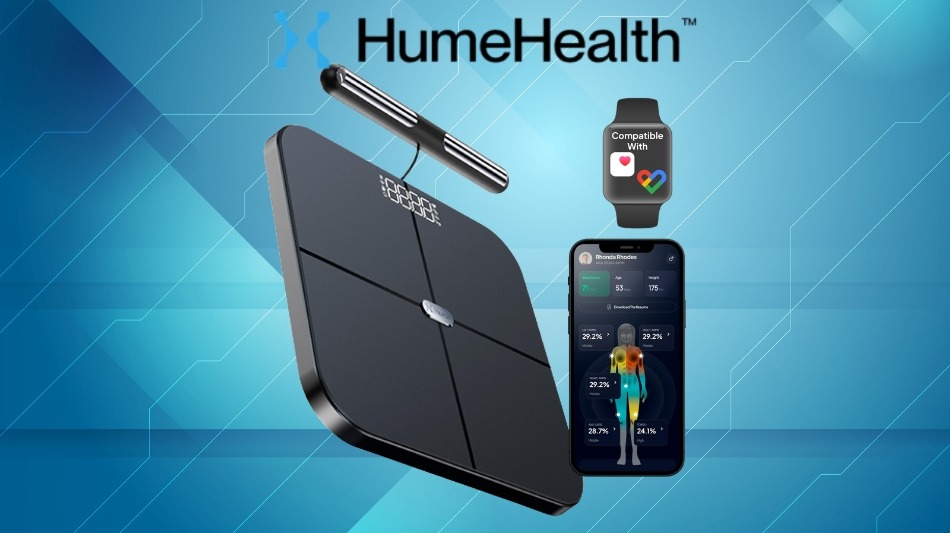
At the center of the Hume Health system is the Body Pod, a smart body composition device designed to go far beyond weight. It uses multi-frequency bioelectrical impedance analysis and multiple sensors to estimate deeper health metrics like muscle mass, fat distribution, and hydration trends.
Rather than giving a single number, it builds a layered view of the body:
Fat vs lean mass changes over time
Muscle distribution across different body segments
Hydration and metabolic trends
This shifts the experience from “Did I gain or lose weight?” to “What actually changed inside my body?”
“Why does muscle and fat tracking matter more than the number on the scale?”
One of the biggest advantages of Hume Health is how it reframes progress. Weight alone can be misleading because it doesn’t distinguish between fat loss, muscle gain, or water fluctuation.
With body composition tracking, users can see whether their efforts are actually improving health, not just changing numbers. This is especially useful for people working out or adjusting nutrition, where visible progress can lag behind internal changes.
Key benefits include:
Clear separation of fat loss vs muscle gain
More accurate progress tracking during fitness routines
Better insight into how diet and exercise are working
It helps reduce frustration caused by misleading scale fluctuations.
“Can data actually change daily decisions?”
The real value of the Hume Health ecosystem isn’t just measurement—it’s feedback. Through its connected app system, users can see how sleep, activity, and habits correlate with body changes over time.
Instead of guessing what works, patterns become visible. For example, poor sleep may align with slower recovery, or consistent activity may reflect improved composition trends.
This leads to practical lifestyle improvements:
Better awareness of recovery needs
Smarter workout intensity decisions
More consistent habit formation
It turns abstract health goals into visible cause-and-effect relationships.
“What makes continuous tracking more powerful than occasional check-ins?”
Unlike traditional health checkups, Hume Health emphasizes frequent tracking. Daily or weekly measurements allow users to see trends instead of isolated snapshots.
This matters because the body rarely changes in straight lines. Short-term fluctuations can hide long-term progress if you only check occasionally.
Continuous tracking helps with:
Recognizing real trends over time
Reducing overreaction to daily fluctuations
Building long-term awareness of body behavior
It makes progress feel more stable and less confusing.
“Is this approach only for fitness enthusiasts?”
Even though Hume Health includes fitness-focused tools, its broader appeal is lifestyle-based. It’s designed for people who want clarity about their health, not just athletes chasing performance metrics.
That includes users focused on general wellness, weight management, or simply understanding why their energy levels change. The system adapts to different goals rather than forcing one path.
Common use cases include:
Everyday weight and wellness tracking
Fitness progress monitoring
Habit and lifestyle awareness
It fits into regular routines without requiring extreme fitness commitment.
“How does software make the physical device more useful?”
A major part of the Hume Health experience is its app layer, which organizes body data into trends, summaries, and insights. Instead of raw numbers, users get structured feedback about progress and patterns.
The app often translates complex metrics into simpler guidance, helping users understand what to adjust in daily life. Over time, this creates a feedback loop between behavior and results.
The impact is:
Easier interpretation of complex body data
Trend-based progress visualization
More actionable lifestyle insights
Without the software layer, the hardware would just be measurements. Together, they become a system.
“Why is personalization becoming central to health tech?”
What makes Hume Health part of a larger shift in wellness tech is personalization. No two bodies respond the same way to diet, exercise, or sleep changes, so static advice often falls short.
By tracking individual data over time, the system builds a more tailored view of how someone’s body behaves. That creates more relevant feedback than generic health advice.
This leads to:
More personalized understanding of progress
Better alignment between habits and outcomes
Reduced guesswork in health decisions
It reflects a move toward adaptive, data-driven wellness instead of one-size-fits-all guidance.
“When Health Tracking Becomes a Continuous Conversation”
What Hume Health represents in this broader sense is a shift from isolated health snapshots to ongoing interpretation. Instead of checking your body occasionally and guessing what changed, the system builds a continuous story from repeated data.
That story doesn’t just show numbers—it helps explain them. And in modern wellness, that understanding is often what turns tracking into real progress.