Pleasure Became Design-Driven and TENGA Turned a Taboo Category Into a Global Conversation About Wellness and Self-Expression
The biggest shift happening in this space is not just technological or design-related. It is cultural. Conversations around personal wellness are becoming more honest, more open, and more focused on lived experience rather than outdated stigma.
For a long time, products in the intimate wellness category were either hidden away, awkward to talk about, or designed without much attention to aesthetics or user experience. They were functional at best, stigmatized at worst, and rarely discussed in a way that felt normal in everyday consumer culture.
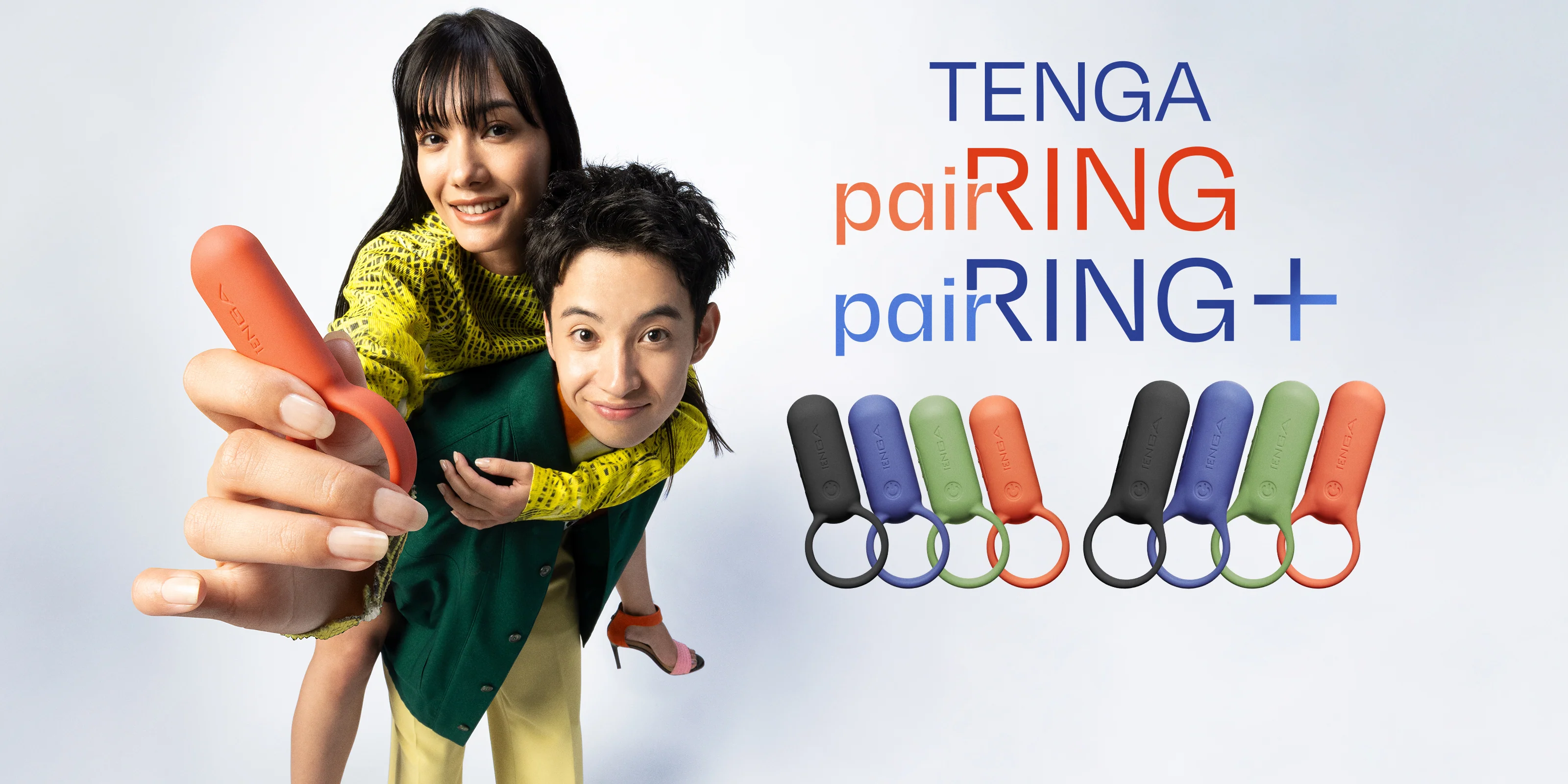
That is exactly why TENGA became such a disruptive name in the space. Founded in Japan in 2005, the brand built its identity around a very different idea: pleasure products could be hygienic, thoughtfully designed, and treated with the same design seriousness as mainstream consumer goods. Instead of leaning into outdated stigma, it leaned into modern product thinking, minimalism, and user comfort.
And whether people realize it or not, that shift changed how a whole category talks about intimacy, wellness, and personal care.
Intimate Wellness Entered the Design Era Instead of Staying Hidden in the Shadows
One of the biggest changes in modern consumer culture is that even traditionally private product categories are now being shaped by design thinking. Packaging, usability, materials, and accessibility matter far more than they used to, even in spaces people once avoided discussing publicly.
That is where TENGA stands out. The brand built its early reputation on sleek, non-explicit design language and simple, intuitive product forms that removed a lot of the awkwardness traditionally associated with intimate products.
Instead of overly complex mechanisms or uncomfortable visuals, the products are designed around ease of use and hygiene. This design-first approach helped reposition the category from something hidden and stigmatized into something closer to wellness-focused self-care.
That matters because consumer expectations have shifted across almost every industry. People now expect even niche or personal products to feel well-designed, easy to understand, and aligned with modern lifestyle aesthetics.
The Rise of “Wellness Culture” Changed How People Think About Intimacy
Over the past decade, wellness stopped being just about fitness, diet, or mental health. It expanded into sleep quality, stress management, emotional awareness, and personal care habits that feel integrated into everyday life rather than treated as separate categories.
That broader wellness mindset is one reason TENGA found global relevance. The brand openly positions its products around the idea of normalizing self-care and reducing stigma around natural human behavior.
Instead of framing intimacy as something taboo or overly commercialized, it is framed more as part of personal wellbeing. That subtle repositioning matters because modern consumers are increasingly comfortable talking about topics that used to be socially restricted, especially when those topics are framed through health, comfort, or quality-of-life lenses.
At the same time, cultural openness around mental health and emotional wellbeing has made people more receptive to discussions about personal needs without judgment. The result is a consumer environment where honesty and practicality often matter more than traditional moral framing.
Product Innovation in a Category Most Brands Avoid Talking About
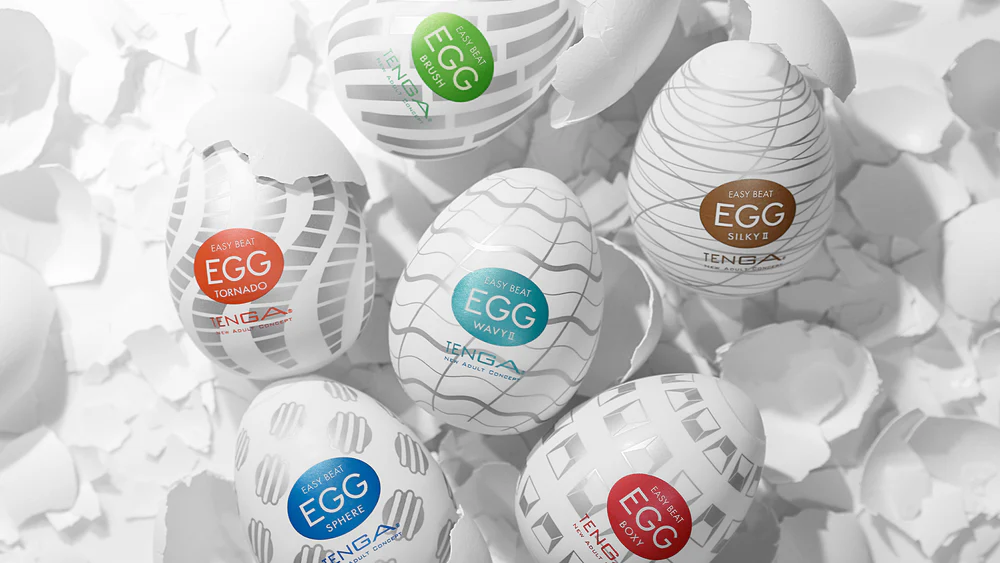
One reason TENGA became globally recognized is its focus on product innovation in a space where many competitors historically avoided experimentation. The brand introduced multiple product series designed for different experiences and preferences, ranging from single-use formats to reusable, more advanced designs.
What stands out is not just variety, but intentional engineering. Internal textures, material selection, and ergonomic shapes are developed with the same attention you would expect from mainstream consumer product categories like skincare devices or tech accessories.
This is part of a larger shift in consumer expectations. People are no longer satisfied with basic functionality alone. Even in personal product categories, they expect refinement, usability, and thoughtful design choices.
There is also a strong focus on accessibility. Some product formats are designed to be simple and approachable for first-time users, while others are more advanced for experienced users who prefer customization or variation.
That layered approach reflects how modern products are often designed: not for one type of user, but for different comfort levels and experiences.
Cultural Acceptance of Intimate Products Is Increasing, but Still Uneven
Even though openness has increased globally, cultural attitudes toward intimate wellness products still vary widely depending on region, age group, and social norms. This creates an interesting tension between product visibility and personal privacy.
Brands like TENGA operate in that middle space where normalization is growing, but discretion still matters. That is why design, packaging, and marketing tone tend to avoid explicit imagery and instead focus on minimalism and abstraction.
This approach helps the brand exist comfortably in both conservative and open markets. It also reflects a broader consumer trend: people want access to products that support personal wellbeing, but they still want privacy and control over how those purchases are presented.
Online communities discussing the brand often highlight this balance. Some users focus on the design innovation and ease of use, while others emphasize how normalization has helped reduce stigma around self-care discussions. That mix of reactions is typical for categories that sit at the intersection of wellness and intimacy.
The key point is not universal acceptance, but increasing normalization in everyday conversation.
The Line Between Wellness, Technology, and Intimacy Is Getting Thinner
One of the most interesting developments in consumer culture is how different categories are blending together. Wellness products now include tech devices, fitness tracking overlaps with mental health, and personal care increasingly borrows from product design used in electronics and lifestyle goods.
In that context, TENGA is part of a larger shift where intimate wellness products are no longer treated as isolated or uncomfortable categories. Instead, they are increasingly discussed alongside design innovation, ergonomics, and lifestyle quality.
This shift also reflects changing expectations around user experience. Consumers want products that are easy to use, visually clean, and thoughtfully designed, regardless of category. Whether it is skincare, fitness tech, or intimate wellness, the expectation is the same: clarity, comfort, and simplicity.
That convergence is slowly reshaping how industries define “personal care.”
Why Design-Led Intimacy Products Are Becoming More Mainstream
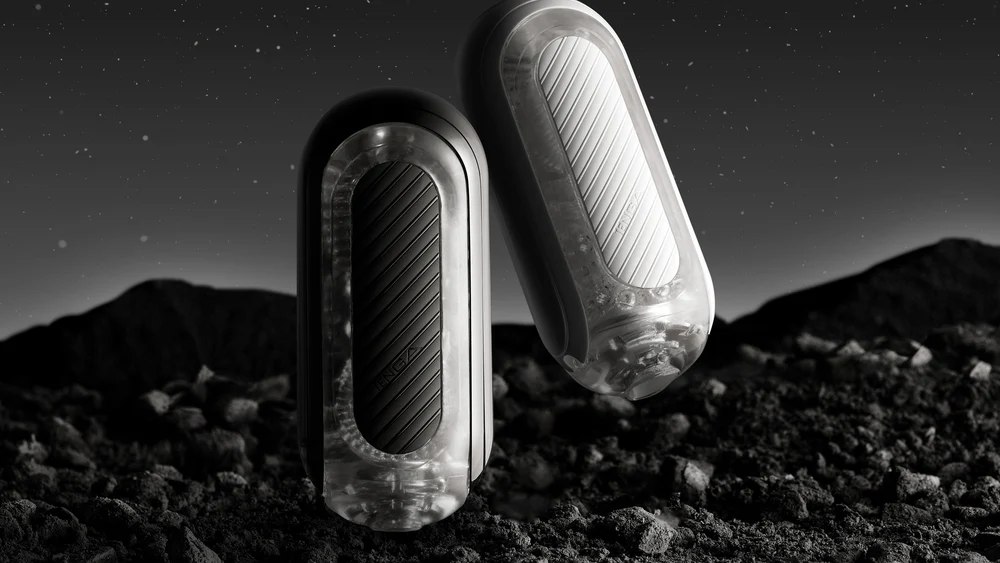
As consumer behavior evolves, products that once existed in niche or private categories are becoming more openly discussed in design, wellness, and lifestyle contexts. This does not mean the stigma disappears completely, but it does mean the conversation becomes more practical and less judgment-driven.
That is where TENGA continues to stay relevant. Its emphasis on design, hygiene, usability, and normalization places it within a broader shift toward more open, health-focused discussions around intimacy.
What makes this trend important is not the product itself, but the cultural change around it. People are increasingly willing to treat personal wellbeing as a holistic experience, rather than separating physical health, emotional health, and intimate wellbeing into different categories.
And as that mindset grows, products designed with clarity and respect for user experience naturally become more accepted over time.
The Future of Intimate Wellness Looks Less Taboo and More Human
The biggest shift happening in this space is not just technological or design-related. It is cultural. Conversations around personal wellness are becoming more honest, more open, and more focused on lived experience rather than outdated stigma.
TENGA exists within that transition. It represents a move away from shame-based framing and toward product design that treats intimacy as a normal part of human wellbeing.
Not everyone will engage with this category, and comfort levels will always vary. But the broader direction is clear: consumers are becoming more open to discussing personal needs in a straightforward, practical way.
And in that shift, even the most private categories are slowly becoming part of everyday lifestyle conversations.