ARZOPA Makes the Second-Screen Lifestyle Easier to Take Anywhere
The appeal ARZOPA of is ultimately less about having another screen and more about gaining freedom over where that screen can be used. A portable monitor can turn a laptop into a more comfortable workstation, give creative projects additional room, or provide a larger and faster display for gaming without tying the user to one desk.
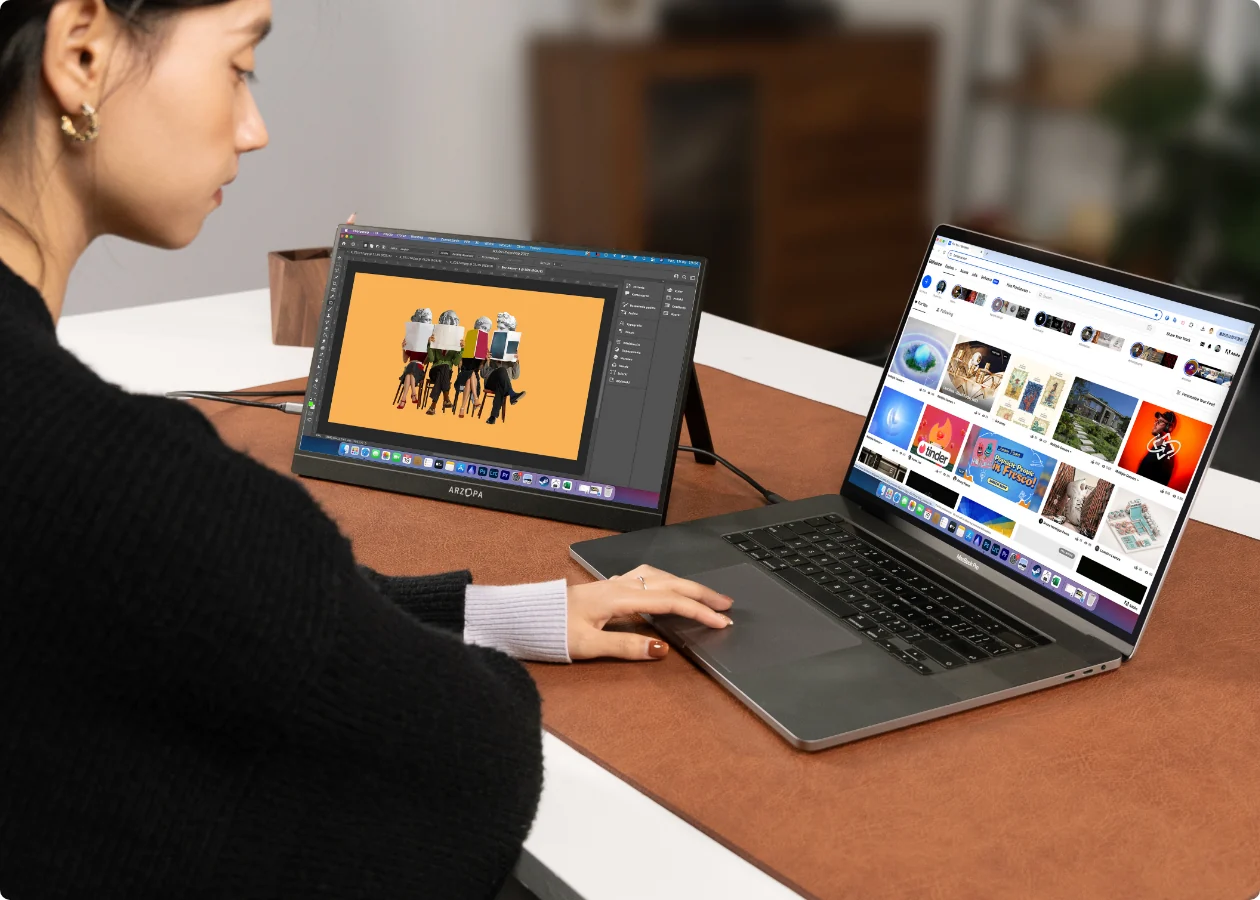
The traditional desk setup is changing. A laptop that once stayed on a home office desk now travels to cafés, hotel rooms, university libraries, coworking spaces and even the dining table. The flexibility is great, but there is one familiar problem: a laptop screen can start feeling very small when there are spreadsheets, browser tabs, documents, messages and creative work competing for attention.
That is where a portable monitor can make a surprisingly big difference. Instead of replacing a laptop or committing to a permanent desktop setup, a second screen gives people more room to work when they need it and can disappear into a bag when they do not. ARZOPA has built its current lineup around exactly this kind of flexibility, with portable displays ranging from straightforward Full HD models to high-resolution screens designed for creative work and gaming.
A Second Screen Can Change the Way a Laptop Feels
Anyone who has tried writing while constantly switching between a document and a research tab knows how quickly screen space becomes a productivity issue. With a second display, one screen can hold the main task while the other keeps reference material, email, a browser window or a video call visible.
That makes portable monitors especially useful for people who do not have a permanent workstation. ARZOPA's range includes lightweight models with built-in stands and USB-C connectivity, allowing a compatible laptop to become a much more spacious workstation without carrying a conventional desktop monitor. The current lineup includes models such as the 16.1-inch Z1FC, 16-inch Z1RC and larger 17.3-inch A1M.
The Right Screen Depends on What You Actually Do
More screen space is useful, but not everyone needs the same display. Someone mainly answering emails and working through spreadsheets has different priorities from a designer checking colour or a gamer looking for smoother motion. Choosing according to the workload makes a portable monitor much more useful than simply picking the biggest specification sheet.
For general productivity, ARZOPA's Z1RC is an interesting current option because its 16-inch 16:10 display offers 2560 × 1600 resolution and 123% sRGB colour coverage. The taller 16:10 format also gives more vertical working space than a conventional 16:9 screen, which can be handy for documents, coding and long web pages. ARZOPA specifically supports portrait mode on the Z1RC for those vertical workflows.
Creative Work Gets More Room to Breathe
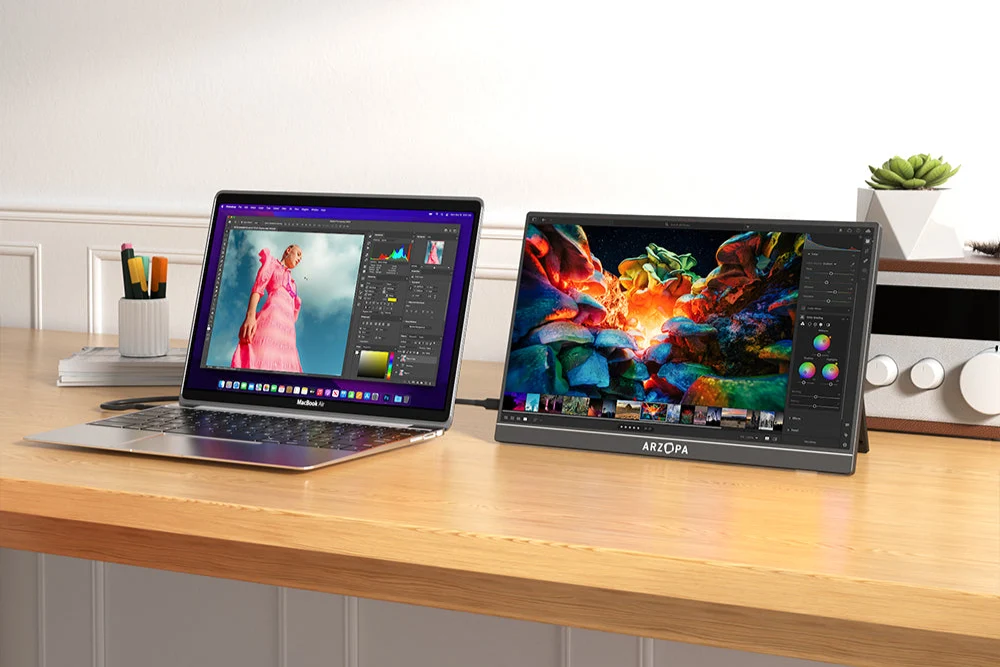
A portable monitor is not only about squeezing more browser windows onto a desk. For people working with photographs, graphics, presentations or video, having additional visual space can make the whole process feel less cramped. A larger canvas can sit on one screen while editing tools, timelines or reference material stay on the other.
This is where higher-resolution models become particularly interesting. The Z1RC combines 2.5K resolution with 123% sRGB colour coverage, while the Z3FC offers 2560 × 1440 resolution, 400-nit brightness and 107% sRGB coverage. Those specifications do not turn a portable monitor into a professional colour-reference display, but they do make these models more appealing for visual productivity and everyday creative work than a basic travel screen.
Gaming Does Not Have to Stay at Home
Portable gaming has become much more capable, but a small laptop display is not always ideal for a longer gaming session. A portable monitor offers a larger viewing area without requiring gamers to carry a full-size desktop monitor.
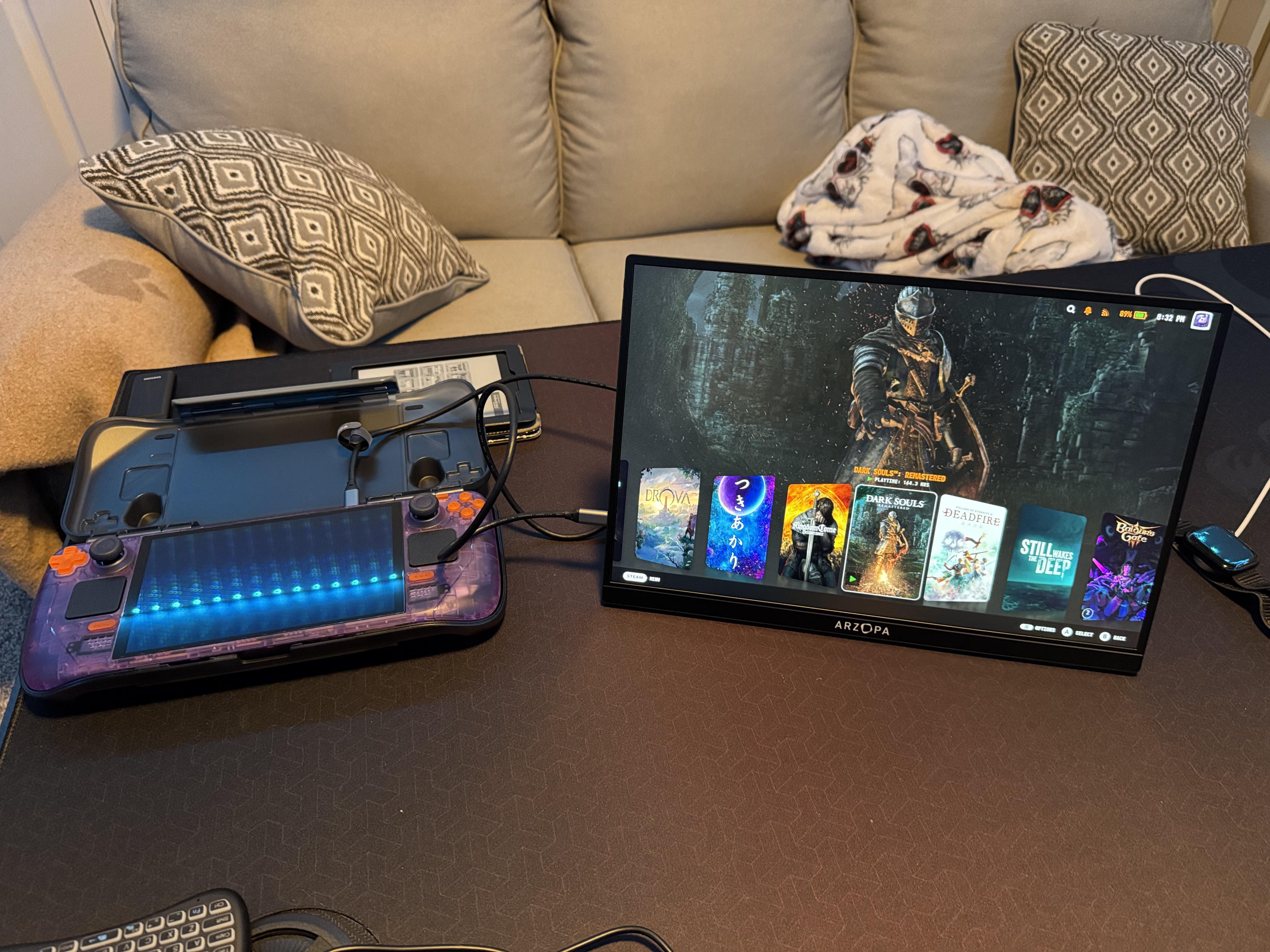
ARZOPA's current gaming-focused options show how far portable displays have moved beyond simple 60Hz travel screens. The Z1FC provides a 16.1-inch Full HD display with a 144Hz refresh rate, while the Z3FC steps up to 2.5K resolution and 180Hz, with FreeSync support. Both use USB-C and mini HDMI connectivity, and ARZOPA lists compatibility with devices including gaming laptops, Steam Deck, PlayStation, Xbox and Nintendo Switch, although the exact connection and power requirements depend on the device.
That flexibility can be useful for more than serious gaming. A portable high-refresh display can also make scrolling, animations and everyday visual interaction feel smoother, making it a versatile companion for entertainment as well as work.
Portability Matters as Much as the Picture
A portable monitor loses much of its appeal if it becomes another bulky item that nobody wants to carry. This is why dimensions, weight, connections and the built-in stand deserve just as much attention as resolution.
The current ARZOPA range includes aluminium-alloy displays with integrated stands. The Z3FC, for example, weighs about 1.72 pounds and measures only 9.3mm thick, while the Z1RC weighs about 1.79 pounds. Both offer two USB-C ports and a mini HDMI connection. For someone moving between home and office or travelling with a laptop, that is a much more practical proposition than transporting a conventional monitor.
It is still worth checking the laptop or device before buying. USB-C does not automatically mean every USB-C port can send a video signal. ARZOPA notes that some HDMI-only devices, phones, tablets and consoles may require an adapter, dock or additional power source.
One Portable Display Can Serve Several Parts of Life
The strongest case for a portable monitor is its ability to change roles. During the working day, it can become a second screen for documents and research. Later, it can move to a kitchen table for following a recipe, sit beside a laptop during an online class or provide a larger display for a console while travelling.
ARZOPA also offers different screen sizes and specifications rather than forcing every customer into the same format. The compact A1, for example, provides a 15.6-inch Full HD IPS display, while the Z1C Plus stretches to 17.3 inches for people who want more workspace. This variety matters because portability is personal. A frequent traveller may prioritise weight, while someone working from temporary locations may prefer a larger panel.
A Smarter Upgrade for Flexible Work and Play
The appeal ARZOPA of is ultimately less about having another screen and more about gaining freedom over where that screen can be used. A portable monitor can turn a laptop into a more comfortable workstation, give creative projects additional room, or provide a larger and faster display for gaming without tying the user to one desk.
The current lineup also shows why it pays to shop by use case rather than simply chasing the biggest number. A basic Full HD screen may be perfectly sensible for everyday productivity, while a 2.5K display with wider colour coverage makes more sense for visual work. Gamers may care far more about refresh rate and FreeSync, while frequent travellers may value weight, thickness and straightforward connectivity above everything else.
That is what makes the portable second-screen concept so useful. It does not demand a complete change of equipment or workspace. It simply adds another layer of flexibility, giving people more room to work, create and play whenever the usual laptop setup starts to feel a little too confined.