High-Protein Snacking Became a Daily Habit: BUILT Turning “Candy-Like Nutrition” into a Modern Fitness Ritual
BUILT fits into this shift by positioning its products as easy, grab-and-go snacks that deliver protein without requiring a full meal or prep time. The appeal is less about bodybuilding and more about convenience and satiety.
The way people snack has changed a lot over the past decade. Snacks are no longer just about taste or convenience. They are now expected to do something useful for the body, especially in a world where fitness, busy schedules, and on-the-go eating are part of everyday life. Protein bars, once seen as dry or chalky “gym food,” have become mainstream.
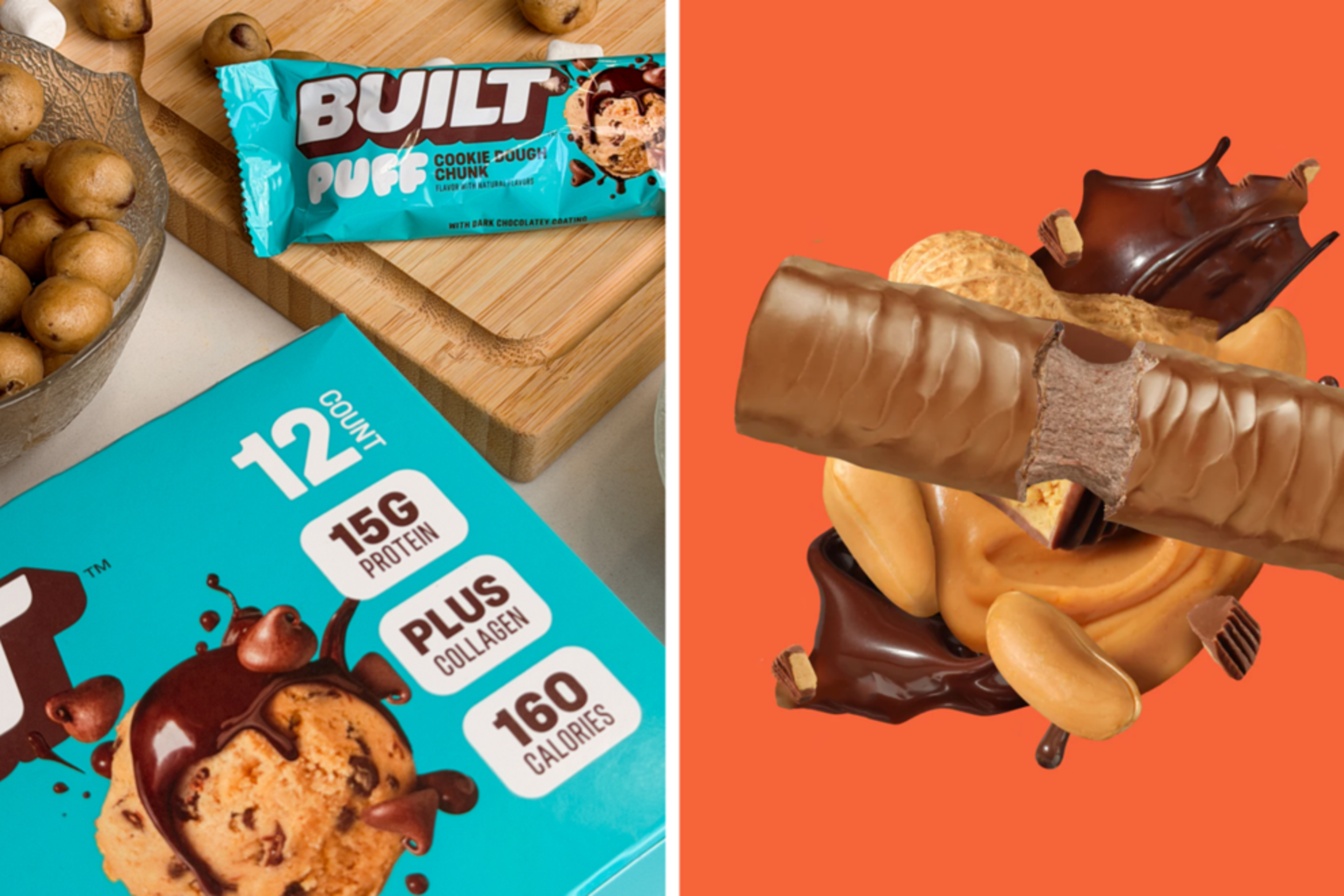
That is where BUILT comes in. The brand is part of a newer wave of protein snacks designed to feel more like a treat than a compromise. Instead of dense, heavy bars, it focuses on soft textures and dessert-like flavors while still delivering protein as a core benefit. It sits in the intersection of indulgence and fitness, which is exactly where modern consumers are heading.
In simple terms, it reflects a bigger shift: people want nutrition that doesn’t feel like punishment.
Protein snacks are no longer just for athletes
Protein used to be something only gym-goers or serious athletes thought about. Now it has become part of everyday nutrition for students, office workers, and anyone trying to stay full and energized throughout the day.
BUILT fits into this shift by positioning its products as easy, grab-and-go snacks that deliver protein without requiring a full meal or prep time. The appeal is less about bodybuilding and more about convenience and satiety.
This change is driven by everyday habits:
long work or school hours with limited meal breaks
increased awareness of protein for fullness and energy
replacement of sugary snacks with higher-protein alternatives
on-the-go lifestyles with minimal cooking time
desire for “better-for-you” treats
Protein snacks are now part of normal daily eating patterns, not just fitness routines.
Dessert-style protein changed expectations completely
One of the biggest frustrations people had with early protein bars was taste. Many were functional but not enjoyable, which made them hard to stick with long-term. The newer generation of snacks aims to fix that by focusing heavily on flavor and texture.
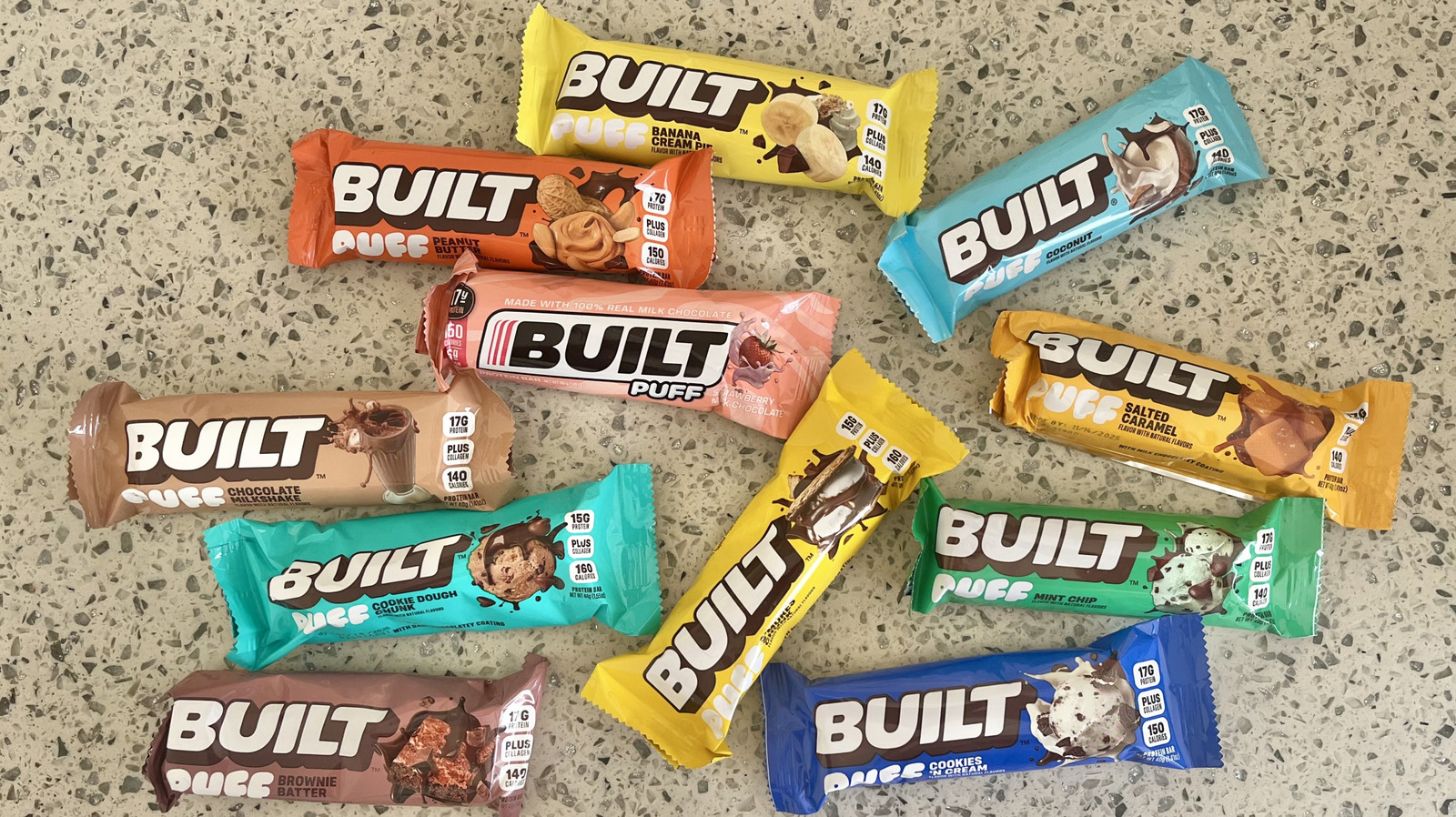
BUILT is known for creating softer, more dessert-like protein snacks that resemble candy bars or marshmallow-style treats rather than dense nutrition blocks. This makes them more appealing to people who normally avoid traditional protein products.
The key shift here is emotional, not just nutritional:
snacks feel like a reward, not a chore
flavors resemble familiar desserts
texture is lighter and more enjoyable
reduced “protein bar fatigue” over time
easier long-term habit formation
This blending of indulgence and nutrition is one of the strongest trends in modern food innovation.
Convenience is now as important as macros
Even the best nutrition profile doesn’t matter if a product is inconvenient to use. Modern consumers want food that fits into tight schedules without preparation, cleanup, or planning.
BUILT reflects this demand for simplicity. It is designed for immediate consumption, whether at work, after training, during travel, or as a quick snack replacement.
What people value most in this category:
ready-to-eat format with no preparation
portable packaging for bags, desks, or gym kits
long shelf life for stocking up
portion control built into each unit
consistency in nutritional content per serving
Convenience has become a deciding factor, sometimes even more than taste or brand loyalty.
Fitness culture made protein part of everyday identity
Fitness is no longer limited to gyms or structured training programs. It has become part of lifestyle identity, especially through social media and wellness culture. People now associate high-protein diets with discipline, health, and modern self-care.
BUILT benefits from this shift because it fits neatly into the idea of “functional snacking.” It is not just about eating something sweet, but about choosing something that aligns with health goals.
This cultural change shows up in behavior like:
tracking protein intake casually through apps
swapping candy bars for protein snacks
keeping “healthy snacks” at desks or in bags
using food choices as part of wellness identity
treating nutrition as performance support
Food is no longer separate from fitness. It is part of it.
Texture and taste innovation became a competitive advantage
In the protein snack category, texture is almost as important as nutrition. If a product is too dry, too chewy, or too artificial, people stop buying it regardless of its macros.
BUILT stands out in this space by focusing on soft, fluffy, and dessert-like textures that differentiate it from traditional dense protein bars. This innovation is part of a wider industry trend where “mouthfeel” is a key product feature.
Modern consumers now expect:
smooth or soft textures instead of chalky bars
less artificial aftertaste
balanced sweetness without overload
consistency across flavors and batches
enjoyable eating experience, not just nutrition
This shows how far protein snacks have evolved from their early functional roots.
The rise of “better-for-you indulgence” changed snacking habits
One of the biggest food trends globally is the idea that indulgence does not have to be unhealthy. People still want sweet, enjoyable snacks, but with more balanced nutrition profiles.
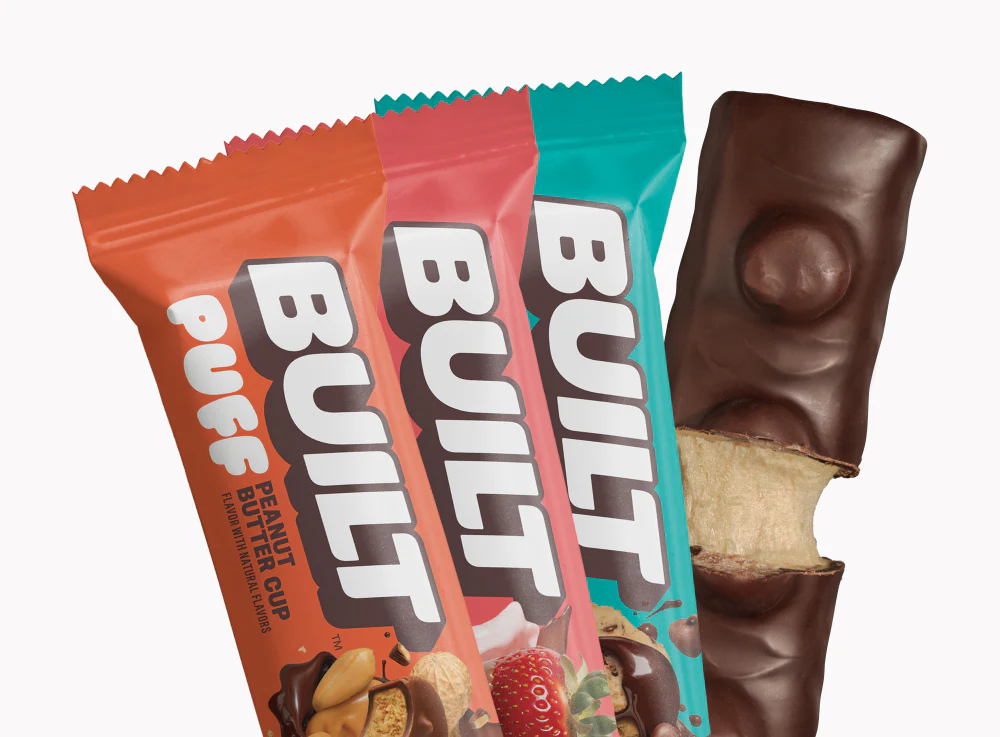
BUILT sits directly in this category of better-for-you indulgence, offering products that aim to satisfy cravings while providing a higher protein profile than traditional sweets.
This trend is driven by:
increasing health awareness without strict dieting
rejection of extreme restriction-based eating
demand for balance between enjoyment and nutrition
emotional satisfaction from food still being important
flexibility in modern diet approaches
Instead of choosing between “healthy” and “tasty,” consumers increasingly want both.
Why protein snacks are becoming part of everyday routine
The growth of protein-based snacks shows how eating habits are evolving in real time. What used to be a niche fitness product is now part of everyday grocery decisions for a wide range of people.
BUILT represents this shift toward accessible, enjoyable, and functional snacking that fits modern lifestyles without requiring major behavior changes.
At the core of this trend is a simple idea: people want food that supports their goals while still feeling good to eat. And that balance is exactly what is shaping the next generation of everyday snacks.